





In The Spotlight

Khaled Salah, vice president - Africa, AVEVA. (Image source: AVEVA)
Since the outbreak of the US-Iran war, the oil industry has been forced to reckon with one of the most challenging operating environments in decades
With supply now disrupted on two fronts – the Strait of Hormuz and the Red Sea – crude prices have hit US$100 in recent months as markets react to every military strike and diplomatic tweet.
For Africa, the Red Sea disruption brings its own costs. UNCTAD previously found that diversions around the Cape of Good Hope add more than ten days to delivery times on average, which strains companies that operate with limited inventories. Disruption-related surcharges are also pushing up landed costs at Africa’s Indian Ocean ports, according to an analysis by Bloomsbury Intelligence and Security Institute (BISI).
Refiners and producers are grappling with supply-chain bottlenecks, higher freight costs, and growing signs of demand erosion as sustained high energy prices dampen spending.
The industry is no stranger to complex global supply chains. But the new challenge requires companies to adapt to a market where both supply and demand can pivot with speed.
Unpredictable times
In this operating environment, every piece of information counts – across suppliers, logistics providers, operations teams and customers.
By knitting together a comprehensive minute-by-minute operational snapshot of the global energy landscape, companies can predict, analyze and react to volatile energy conditions with optimal precision.
In the five months since the start of the conflict, Brent crude has traded in a range from roughly 6 percent below its pre-war level to almost 50 per cent above it. This geopolitical landscape creates complex challenges for producers and refiners.
Equally, periods of volatility create significant commercial openings for companies that can respond faster than the market. A sudden spike in crude prices can all create a short-lived window for higher margins.
Companies operating from connected data can rapidly adjust production plans and redirect cargoes, turning market turbulence into a source of competitive advantage.
Building resilience and agility
Historically, energy companies have been primarily motivated by efficiency and cost margins. While those objectives still stand, organizations are increasingly finding that resilience and agility are key performance differentiators.
Companies become more resilient when they operate from a common view of data and performance. To use a boating analogy, we're all navigating the same storm. Some organizations have cargo ships, others have yachts. The conditions are the same for everyone – what differs is how well-equipped each vessel is to withstand rough seas.
Connected operational systems help organizations build a stronger boat. Increasingly, that means looking beyond any single company and to every entity who touches the barrel.
Seeing the big picture
In what has been described by experts as the ‘age of permacrisis’, supply shocks often overlap or occur simultaneously. For example, disruption in Hormuz, renewed Red Sea attacks, or tighter sanctions on Russian exports can affect crude availability and shipping routes within hours – and sometimes all at once.
Refineries process blends and crude slates sourced from multiple regions, each with distinct physical properties and refining characteristics. Texas crude behaves differently from Saudi crude. Saudi crude behaves differently from Abu Dhabi crude. Venezuelan crude behaves differently again.
Historically, engineering teams would manually run a limited number of operational scenarios. Now connected AI systems can run thousands of crude blend combinations simultaneously while incorporating crude prices, refined product prices, electricity costs, operational constraints and regional market demand – determining in near real-time exactly which combination will generate the highest profitability possible.
Connection in action
Abu Dhabi National Oil Company (ADNOC) offers an example of connected operations in practice. The energy giant has combined data from production assets, pipelines, terminals and operations teams into a shared operational environment.
The platform integrates more than 10 million data tags across 120-plus dashboards, giving decision-makers a single operational view of the business. The system generates US$60-US$100mn in savings through optimized operations across 14 subsidiaries, enabling the company to respond faster when market conditions or supply chains shift.
In a broader sense, the highest-performing organisations globally are being recognised not just for productivity, but for supply chain resilience and their ability to connect data across entire value chains.
According to McKinsey analysis of the World Economic Forum Global Lighthouse Network, organisations that digitally connect suppliers, operations and customers experienced eight times less revenue shock following the pandemic than their peers.
Those connected value chains also achieved 50 percent faster new-product introduction by improving visibility and coordination across the network.
Digitising relationships
Industrial resilience is rapidly shifting from being an internal capability to a network capability. Competitive advantage is increasingly determined by how well producers, refiners, suppliers, logistics providers and technology partners operate from a common understanding of data and performance.
In the last decade, industrial companies prioritized digitizing assets. The next phase will see digitising relationships come to the forefront.
The article has been written by Khaled Salah, vice president – Africa, AVEVA
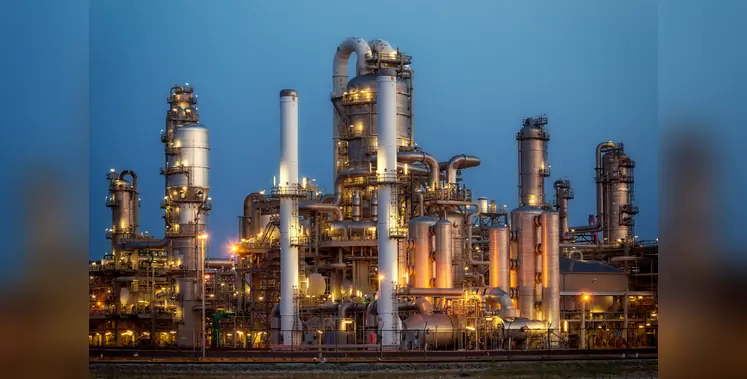
Nigeria’s Dangote Petroleum Refinery has just announced a staggering US$4.73bn net profit for the first nine months of 2026.
The global petroleum refining landscape is undergoing a monumental shift, driven by geopolitical volatility and the emergence of massive new downstream infrastructure in developing markets.
At the centre of this transformation is Nigeria’s Dangote Petroleum Refinery, which has just announced a staggering US$4.73bn net profit for the first nine months of 2026. This dramatic financial turnaround arrives precisely as the organisation asks investors for US$1.6bn in what is slated to be the largest initial public offering (IPO) in African history.
Global Supply Disruptions and the Refining Catalyst
Historically, West Africa has relied heavily on imported refined fuels from Europe, the United States, and the Middle East to meet its domestic energy requirements. However, recent geopolitical tensions, most notably the Iran war, have severely disrupted Middle Eastern refining operations and petroleum product exports.
These supply chain bottlenecks have sent global product margins sharply higher throughout the year, with a particularly intense spike in the profitability of diesel and jet fuel. Rather than falling victim to these shortages, newly commissioned infrastructure in West Africa has capitalised on the supply vacuum. By ramping up output, facilities in the region have begun exporting refined products directly into these global shortages, including significant jet fuel shipments successfully routed to Western Europe.
A Historic Financial Turnaround
Just a year ago, the Lagos-based mega-refinery was still absorbing heavy commissioning costs, posting a US$117.2mn loss during the same nine-month period. Today, the operational reality paints a drastically different picture. By successfully processing greater volumes of crude oil and capturing elevated refining margins on the global market, the company has transformed its balance sheet at an unprecedented pace.
The facility's fiscal transformation is underscored by several key performance metrics:
-
Revenue Growth: Total revenue more than doubled year-on-year, surging from US$9.19bn to an impressive US$22.48bn.
-
EBITDA Expansion: Earnings before interest, taxes, depreciation, and amortisation skyrocketed to US$5.52bn, up from just US$627.6mn a year earlier.
-
Cash Flow Generation: Operating cash flow reached US$3.68bn through September, compared with a mere US$364.7mn previously.
-
Debt Reduction: The organisation finished the period with US$650.8mn in net cash, completely reversing the US$1.73bn in net debt it carried the previous year.
-
Liquidity: Total cash holdings for the enterprise have now reached a robust US$6.69bn.
Africa’s Largest Initial Public Offering
These exceptional financial figures have landed right in the middle of the refinery’s highly anticipated IPO. The company is actively seeking to raise US$1.6bn in a public offering that places an overall valuation on the refinery of approximately US$47bn.
The market response has been exceptionally strong. Initially scheduled to close on the 13th of October, the subscription period has been officially extended through the 27th of October. This two-week extension was necessitated after heavy and enthusiastic investor demand effectively overwhelmed several Nigerian investment platforms when the offering first opened to the public.
Securing Regional Independence and Future Expansion
The capital generated from the IPO is already earmarked partly for the facility's next ambitious expansion phase. While the 700,000-barrel-per-day (bpd) refinery was already running near 660,000 bpd earlier this year—up from its original 650,000 bpd design—leadership has set a far higher target. By 2029, the company intends to double its total refining capacity to 1.4 million bpd. Once completed, this expansion would firmly position the Lagos complex among the very largest single-train refineries in the world.
Beyond the raw financial success, the strategic impact on the regional economy cannot be overstated. The facility has successfully and substantially cut West Africa’s historical dependence on imported fuel. Today, Nigerian product exports are increasingly displacing the millions of barrels that previously arrived via long-haul shipping routes. From navigating early commissioning hurdles to boasting billions in cash reserves and a line of eager investors, the enterprise has rapidly rewritten the narrative of African downstream energy production.
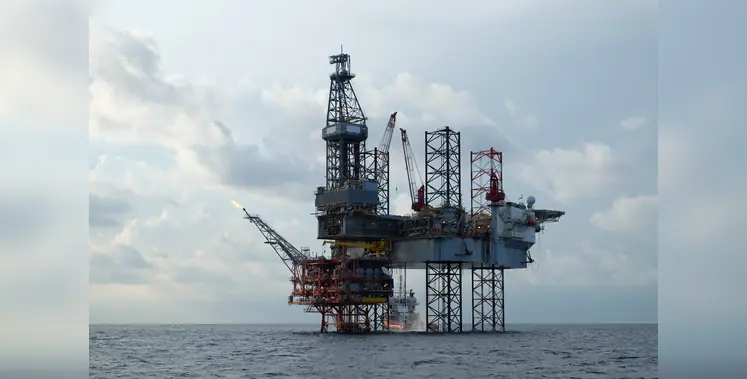
The Senegalese government has opened 104 oil and gas blocks to international investors, seeking new upstream exploration and production contracts to accelerate the development of its natural resources.
West Africa's hydrocarbon landscape is shifting rapidly towards large-scale acreage commercialisation, and Senegal is now positioning itself at the very forefront of this regional drive.
The Senegalese government has opened 104 oil and gas blocks to international investors, seeking new upstream exploration and production contracts to accelerate the development of its natural resources.
Announced by Energy and Petroleum Minister El Hadji Abdourahmane Diouf at African Energy Week (AEW) 2026 in Cape Town, the offering signals an aggressive push to draw foreign direct investment into the nation's energy sector while expanding domestic industrial capacity.
A Reorganised Acreage Landscape
The newly available assets stem from a major restructuring carried out earlier this year. In March 2026, Senegal reorganised its acreage into 113 distinct blocks, comprising 65 onshore and 48 offshore tracts. While Oil & Gas Middle East reported in September that 109 blocks were being marketed, the portfolio status has since crystallised:
- 104 blocks are actively open and available to international investors.
- 4 blocks are already held under existing petroleum contracts.
- 5 offshore blocks are currently assigned to Italian energy major Eni for technical evaluations.
Eni agreed to fund these technical assessments under a memorandum signed on the sidelines of Gastech. Crucially, the agreement functions strictly as a study framework rather than an upstream petroleum contract, conferring no automatic operational rights.
Addressing delegates in Cape Town, Diouf emphasised regulatory certainty, stating that the objective is to “show investors that Senegal remains the country it has always been: open, hospitable and respectful of international procedures.”
Fast-Tracking Yakaar-Teranga and Domestic Gas
Beyond newly delineated licensing blocks, Senegal is prioritising major offshore gas assets to anchor national electrification and industrialisation. The state is actively searching for commercial partners to advance the world-scale Yakaar-Teranga gas project alongside national oil company Petrosen.
Petrosen assumed complete operational control of the asset after Kosmos Energy withdrew in April. According to reporting by Ecofin Agency, the exit involved no financial compensation, leaving Petrosen’s leadership targeting initial commercial production between late 2028 and early 2029—a timetable viewed by several market analysts as optimistic.
The government views gas monetisation as an essential catalyst for broader economic transformation rather than a simple export play. As Diouf noted: “Our strategy is to build the value chain from the well to the factory, with gas at the heart of our industrial ambition.” Under this framework, Yakaar-Teranga will deliver feedstock for domestic power generation, industrial facilities such as fertiliser plants, and international liquefied natural gas markets.
Downstream Ambitions and Regional Integration
Senegal’s upstream momentum is matched by targeted downstream development intended to retain processing margins onshore. Diouf highlighted ongoing plans to construct a second domestic refinery dedicated to processing crude from the offshore Sangomar field, requiring an estimated capital investment of $2 billion to $3 billion (approximately AED 7.35 billion to AED 11.02 billion).
On 23 September in New York, the Société Africaine de Raffinage (SAR) signed a memorandum with Turkish contractor Yamata to develop the proposed four-million-tonne-per-annum refining facility. Similar to Eni’s offshore arrangement, reports have noted that this document remains a preliminary memorandum rather than a fully binding commercial contract.
Domestic integration and capacity building remain central conditions for incoming capital. Diouf explicitly urged new entrants to incorporate domestic suppliers and local labour into their operations from project inception. “Capital must earn a return. Senegal must gain a stronger economy. The partnership we seek must serve both purposes,” he affirmed.
Concurrently, Dakar is championing deeper regional collaboration across the MSGBC basin. Senegal intends to broaden the current five-nation alliance—comprising Senegal, Mauritania, The Gambia, Guinea-Bissau, and Guinea—into a larger regional energy coalition, establishing West Africa as a unified, competitive energy frontier.
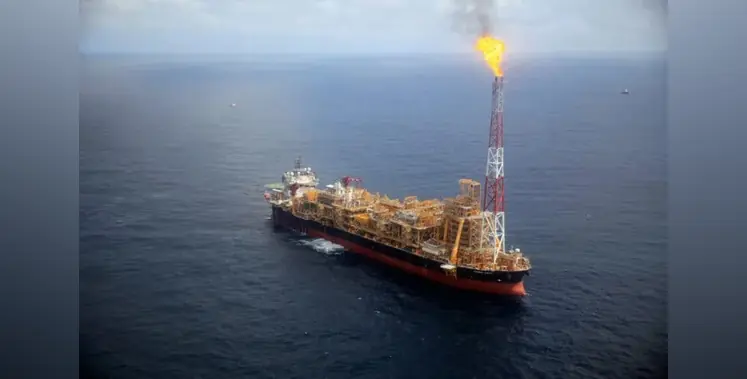
During a prominent energy conference held recently in Cape Town, a senior government official revealed that Angola intends to implement faster exploration concessions from next year.
During a prominent energy conference held recently in Cape Town, a senior government official revealed that Angola intends to implement faster exploration concessions from next year.
This significant shift in policy forms the cornerstone of a newly developed, long-term hydrocarbon strategy. The primary objective of this comprehensive strategy is to attract substantial foreign investment and actively stimulate oil and gas production across the nation. As Sub-Saharan Africa’s second-largest oil producer—trailing only behind Nigeria—Angola is positioning itself to remain highly competitive in an evolving global energy landscape.
A 25-Year Blueprint for Energy Investment
At the heart of this strategic overhaul is an ambitious 25-year plan designed to revitalise the nation's energy sector. This extensive blueprint seeks to build upon a series of successful regulatory reforms that have already yielded positive results for the domestic market. In recent times, these legislative and structural adjustments have encouraged major international oil companies, including industry leaders such as TotalEnergies and Eni, to commit billions of dollars to various energy projects within the country. The upcoming 25-year framework aims to solidify this momentum, ensuring that the regulatory environment remains exceptionally hospitable to large-scale, long-term capital commitments.
Overhauling the Concession and Auction Framework
In a move to streamline operations, Angola intends to drop its traditional multi-year oil and gas auction rounds. Historically, these prolonged auction cycles dictated the pace of exploration, often resulting in extended periods between new drilling initiatives. Moving forward, the government will replace this system with a more dynamic and responsive approach.
Key changes to the exploration rollout include:
- Opening New Blocks: The nation plans to open up more than 100 blocks for energy exploration.
- Onshore Focus: The vast majority of these newly available blocks will be strategically located onshore.
- Implementation Timeline: This expansive rollout is scheduled to commence as soon as the 25-year plan is formally passed later this year.
Speaking late on Wednesday, Alcides Andrade, a board member at the National Agency for Petroleum, Gas and Biofuels (ANPG), elaborated on these structural changes.
Expediting the Award Process
One of the most critical elements of the new hydrocarbon strategy is the deliberate acceleration of administrative procedures. Investors have frequently highlighted bureaucratic delays as a hurdle to operational efficiency across the continent. Addressing this directly, Andrade stated that the ANPG is actively looking to reduce the time taken to award exploration concessions.
The regulator is now aiming for a highly streamlined three-month award process. This represents a 50 percent reduction in administrative time compared to the current six-month timeframe. By halving the waiting period, Angola hopes to provide energy companies with the agility required to deploy capital and commence operations much faster, thereby improving the overall commercial viability of the proposed projects.
A Tailored, Risk-Profile-Based Model
Recognising that different geological assets present unique technical and financial challenges, the government is also reforming its approach to the terms and conditions attached to exploration agreements. Andrade emphasised that the new regulatory framework will explicitly not be a “one-size-fits-all” approach.
Instead, the ANPG intends to implement a sophisticated risk-profile-based model. This nuanced strategy will carefully distinguish between varying types of assets to ensure that the fiscal and operational terms reflect the specific realities of each project. Key distinctions within this new model will include differentiating between marginal fields and mature fields, as well as offering bespoke terms for onshore developments versus deep-water blocks.
Long-Term Production Objectives
Ultimately, the overarching goal of these sweeping reforms is to reverse any stagnation and drive substantial growth in domestic crude output. By facilitating a faster concession process and offering tailored investment terms, the Angolan government anticipates a significant increase in drilling activity.
Drilling more exploration wells will hopefully lead to higher crude production over the long term, according to Andrade. Through the successful implementation of this 25-year plan, the nation aims to secure its vital role in the international energy supply chain for decades to come.
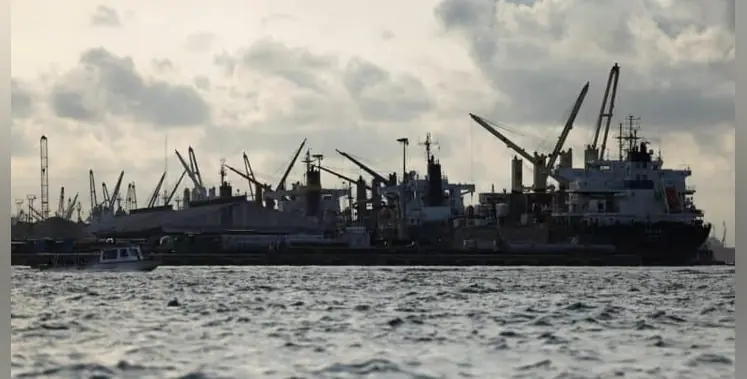
Regional trade desks reported on Wednesday that sellers of sweet and heavy West African grades are finding it difficult to clear their export programmes.
Physical oil markets across the Atlantic basin are contending with mounting headwinds as cargoes of both Angolan and Nigerian crude struggle to find buyers, undermined by stubbornly high shipping costs and softening differentials.
Regional trade desks reported on Wednesday that sellers of sweet and heavy West African grades are finding it difficult to clear their export programmes. The paralysis highlights growing competition in international refining centres, where delivered costs dictate refiners' feedstock purchasing strategies.
Twin pressures on West African differentials
Market participants point to an accumulation of geopolitical and operational factors that have simultaneously reduced arbitrage profitability and weakened outright bids for Atlantic basin crude.
A market trader noted that the physical market was confronting a “combination of high freight costs, recovering Middle Eastern supply, and widening discounts,” which has left several Nigerian and Angolan cargoes struggling to clear within their typical trading cycles.
When maritime tanker rates surge, distant refiners in Europe and Asia demand steeper discounts on free-on-board (FOB) prices to offset the expense of transporting the barrels. Concurrently, the gradual return of regional competition from Middle Eastern producers has offered refiners closer, more economic options, compressing the natural premium historically held by Atlantic grades.
Angolan grades suffer steep discounts
The downward trajectory is particularly pronounced in heavy, sweet grades from Angola, which have experienced severe pricing declines over the course of a single trading week.
Offers for Angolan Dalia crude were heard at a discount of $20 to dated Brent on the Argus Open Market this week, according to another trader. This assessment represents a substantial deterioration compared to the discount of $9.95 to dated Brent recorded for the grade last week on the Platts platform.
Key observations shaping current West African trading include:
-
Elevated vessel charter rates pricing long-haul barrels out of key export destinations.
-
Recovering crude flows from Middle Eastern producers reducing reliance on Atlantic basin imports.
-
Persistent overhang of unsold volumes across the prompt loading programmes.
-
Angolan differentials going lower, which is directly weighing on the pricing of competing Nigerian grades.
Because Angolan and Nigerian streams often compete for similar processing units across Mediterranean and Northwest European refineries, the widening price discount on Angolan heavy barrels has exerted immediate downward pressure on lighter Nigerian export grades. Sellers of Nigerian crudes are being forced to adjust their physical differentials downward to remain viable against their regional neighbours.
Chevron’s Aseng gas milestone
Beyond the prompt crude market, the wider Gulf of Guinea upstream sector is monitoring significant long-term infrastructure progress in neighbouring waters.
US oil major Chevron has confirmed it remains on track to deliver first gas from its offshore Aseng gas project in Equatorial Guinea in 2028, a senior company executive said. The development represents a notable step forward in monetising offshore gas reserves across regional production hubs, even as short-term crude physical traders manage the volatility of global shipping bottlenecks and shifting refinery margins.
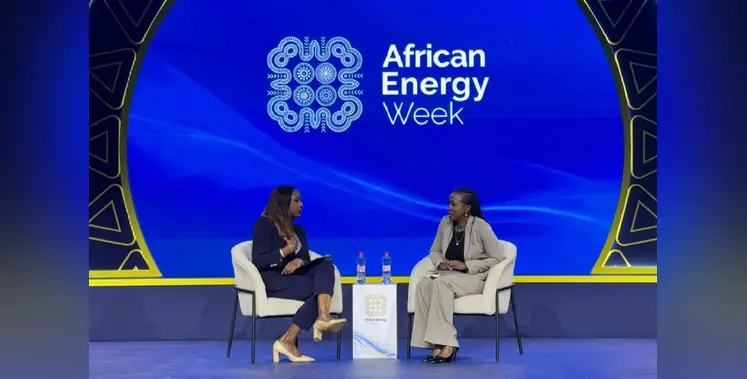
East African nation has established a clear timeline to transition into an active player in the global energy market. The commencement of commercial oil production is officially on track for June 2027.
Uganda is standing on the precipice of a historic economic transformation.
Nearly two decades after making its initial commercial hydrocarbon discoveries, the East African nation has established a clear timeline to transition into an active player in the global energy market. The commencement of commercial oil production is officially on track for June 2027. This milestone will be swiftly followed by inaugural exports facilitated by the East African Crude Oil Pipeline (EACOP), promising to fundamentally reshape the country’s trajectory.
The announcement was delivered by Kristina Kasebayo, Head of Compliance at the Uganda National Oil Company (UNOC), during a fireside chat at African Energy Week 2026 in Cape Town. By setting this firm schedule, the government has signalled its readiness to capitalise on resources carefully managed since their discovery in 2006. Rather than simply extracting raw material, the national strategy integrates export ambitions with substantial domestic processing capabilities, aiming to capture maximum value from its subterranean wealth.
"First oil will start before the end of our financial year – June 2027 – which will position us as an oil producing country," Kasebayo stated, confirming the eagerly awaited timeline.
Bridging the Vital Infrastructure Gap
For a landlocked nation, possessing subterranean wealth is only half the battle. The true complexity lies in establishing the logistical channels necessary to reach international buyers. Uganda has spent years meticulously designing the required export infrastructure, a monumental undertaking now nearing its conclusion.
The East African Crude Oil Pipeline serves as the linchpin of this export strategy. According to UNOC, the pipeline is already 92% complete. Once operational, this engineering project will transport Ugandan crude to a dedicated port facility in neighbouring Tanzania, unlocking direct access to global shipping routes.
Developing the upstream resources had to be perfectly matched by rigorous regulatory frameworks and complex cross-border agreements.
"The challenge was never getting the oil out of the ground, but having the infrastructure and regulation in place," Kasebayo explained, highlighting that all requisite legal agreements have been successfully secured.
Prioritising Domestic Value and Energy Security
While international crude exports will generate significant revenue, Uganda remains equally committed to bolstering its national energy security. A cornerstone of the government’s master plan is the construction of a domestic oil refinery. This facility is designed to reduce the nation's reliance on imported petroleum products, ensuring a stable, localised fuel supply.
Key project milestones and timelines include:
-
February 2027: The target date for reaching a final investment decision (FID) regarding the domestic refinery.
-
June 2027: The scheduled commencement of commercial oil extraction from the upstream fields.
-
2030: The projected completion date for the refinery, enabling large-scale domestic processing.
By combining the capacity for raw exports with domestic refining, the government aims to insulate the local consumer market from global supply chain volatilities whilst creating new industrial opportunities.
"We intend to take FID for the domestic refinery in February 2027 and expect the refinery to be complete by 2030," Kasebayo noted, outlining a clear roadmap for the downstream sector.
Introducing ‘Pearl Sweet’ to the Global Market
As the physical infrastructure falls into place, Uganda is strategically branding its sovereign resource for the international market. The country’s crude will be officially marketed under the name 'Pearl Sweet', a culturally significant nod to its historic moniker as the Pearl of Africa.
This forward-thinking branding strategy is already yielding positive results. The unique characteristics of the crude grade have garnered favourable international recognition, ensuring a receptive market once the taps are opened. With EACOP nearing the finish line and upstream preparations entering final stages, Uganda is an emerging energy supplier ready to engage with global buyers.
The next few years will prove absolutely pivotal as the government and UNOC work collaboratively to finalise the remaining technical details. If the current momentum is maintained, Uganda will soon realise its ambition of achieving energy independence whilst cementing its status as a vital contributor to the African energy landscape.
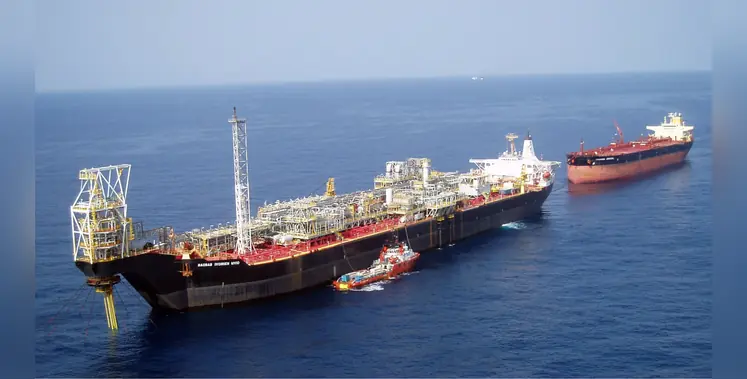
Drilling operations have begun in the deepwater Baobab field. (Image source: Vaalco)
Vaalco Energy has announced the successful completion of its Phase 3 drilling programme offshore Gabon, and the commencement of drilling on its Baobab Phase 5 programme offshore Côte d’Ivoire
Offshore Gabon
Vaalco holds a 58.8% working interest in and operates the Etame Marin block, located offshore Gabon. Vaalco has successfully drilled, completed and placed on production the ETSEM-3H development well in an attic position within the SE Etame field, with a lateral wellbore of 300 meters of net pay in high-quality Gamba reservoir sands. Achieved stabilized initial flow rate of approximately 2,000 gross barrels of oil per day (“BOPD”), 1,140 BOPD net to Vaalco. This represents the final well in the Phase 3 drilling programme which is now complete, and Drill rig (Borr Norve) has been demobilised from the field.
Offshore Côte d’Ivoire
Following completion of its planned dry dock refurbishment in February 2026, the Baobab FPSO returned to Côte d’Ivoire and was successfully reconnected to field infrastructure in early April 2026.
Production resumed from all producing wells in June 2026. Followng the successful re-start of the deepwater Baobab field, the Baobab Phase 5 drilling operations have begun with the batch-setting of top-holes by the operator. After the top-hole sections of all wells are drilled, the wells will then be completed and placed on production sequentially. The current plan for the Phase 5 drilling campaign consists of four producers, three water injectors and two workovers. The first producer well is anticipated to come online towards the end of 2026, with meaningful production growth expected in 2027.
Vaalco acquired a 27.4% non-operated working interest in Block C1-4o offshore Côte d’Ivoirein 2024 through its acquisition of Svenska, , containint the Baobab producing field and the significant Kossipo discovery. It is now confirmed as operator of the Kossipo field with a 60% working interest, with a field development plan being actively progressed toward completion in the first half of 2027.The company sees Côte d’Ivoire as strategically expanding its West African focus area with a sizable producing asset that has significant upside potential and future development opportunities, and regards Côte d’Ivoire as an investment-friendly country.
Vaalco owns a diverse portfolio of production, development, and exploration assets spanning Côte d'Ivoire, Egypt, Equatorial Guinea, and Gabon. It sees the Baobab restart and recent drilling results in Gabon as playing a significant role in supporting its future growth plans.
George Maxwell, Vaalco’s chief executive officer, commented, “Our continued success and organic project pipeline support Vaalco’s strategic focus on growing production, reserves and value for our shareholders.'





The Senegalese government has opened 104 oil and gas blocks to international investors, seeking new upstream exploration and production contracts to accelerate the development of its natural resources.
West Africa's hydrocarbon landscape is shifting rapidly towards large-scale acreage commercialisation, and Senegal is now positioning itself at the very forefront of this regional drive.
The Senegalese government has opened 104 oil and gas blocks to international investors, seeking new upstream exploration and production contracts to accelerate the development of its natural resources.
Announced by Energy and Petroleum Minister El Hadji Abdourahmane Diouf at African Energy Week (AEW) 2026 in Cape Town, the offering signals an aggressive push to draw foreign direct investment into the nation's energy sector while expanding domestic industrial capacity.
A Reorganised Acreage Landscape
The newly available assets stem from a major restructuring carried out earlier this year. In March 2026, Senegal reorganised its acreage into 113 distinct blocks, comprising 65 onshore and 48 offshore tracts. While Oil & Gas Middle East reported in September that 109 blocks were being marketed, the portfolio status has since crystallised:
- 104 blocks are actively open and available to international investors.
- 4 blocks are already held under existing petroleum contracts.
- 5 offshore blocks are currently assigned to Italian energy major Eni for technical evaluations.
Eni agreed to fund these technical assessments under a memorandum signed on the sidelines of Gastech. Crucially, the agreement functions strictly as a study framework rather than an upstream petroleum contract, conferring no automatic operational rights.
Addressing delegates in Cape Town, Diouf emphasised regulatory certainty, stating that the objective is to “show investors that Senegal remains the country it has always been: open, hospitable and respectful of international procedures.”
Fast-Tracking Yakaar-Teranga and Domestic Gas
Beyond newly delineated licensing blocks, Senegal is prioritising major offshore gas assets to anchor national electrification and industrialisation. The state is actively searching for commercial partners to advance the world-scale Yakaar-Teranga gas project alongside national oil company Petrosen.
Petrosen assumed complete operational control of the asset after Kosmos Energy withdrew in April. According to reporting by Ecofin Agency, the exit involved no financial compensation, leaving Petrosen’s leadership targeting initial commercial production between late 2028 and early 2029—a timetable viewed by several market analysts as optimistic.
The government views gas monetisation as an essential catalyst for broader economic transformation rather than a simple export play. As Diouf noted: “Our strategy is to build the value chain from the well to the factory, with gas at the heart of our industrial ambition.” Under this framework, Yakaar-Teranga will deliver feedstock for domestic power generation, industrial facilities such as fertiliser plants, and international liquefied natural gas markets.
Downstream Ambitions and Regional Integration
Senegal’s upstream momentum is matched by targeted downstream development intended to retain processing margins onshore. Diouf highlighted ongoing plans to construct a second domestic refinery dedicated to processing crude from the offshore Sangomar field, requiring an estimated capital investment of $2 billion to $3 billion (approximately AED 7.35 billion to AED 11.02 billion).
On 23 September in New York, the Société Africaine de Raffinage (SAR) signed a memorandum with Turkish contractor Yamata to develop the proposed four-million-tonne-per-annum refining facility. Similar to Eni’s offshore arrangement, reports have noted that this document remains a preliminary memorandum rather than a fully binding commercial contract.
Domestic integration and capacity building remain central conditions for incoming capital. Diouf explicitly urged new entrants to incorporate domestic suppliers and local labour into their operations from project inception. “Capital must earn a return. Senegal must gain a stronger economy. The partnership we seek must serve both purposes,” he affirmed.
Concurrently, Dakar is championing deeper regional collaboration across the MSGBC basin. Senegal intends to broaden the current five-nation alliance—comprising Senegal, Mauritania, The Gambia, Guinea-Bissau, and Guinea—into a larger regional energy coalition, establishing West Africa as a unified, competitive energy frontier.
Khaled Salah, vice president - Africa, AVEVA. (Image source: AVEVA)
Nigeria’s Dangote Petroleum Refinery has just announced a staggering US$4.73bn net profit for the first nine months of 2026.
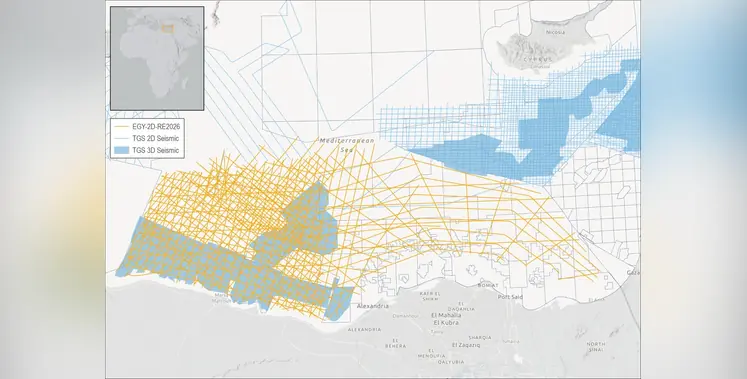
The survey will span across 34,000 kms offshore Egypt. (Image source: TGS)
Energy data and intelligence provider, TGS, has partnered with Egyptian Natural Gas Holding Company (EGAS), to initiate a large-scale 2D seismic reimaging campaign, the EGY-2DRE2026 project
The survey will span across 34,000 kms offshore Egypt, which will be further integrated to the GeoStreamer 2016, 2018 and 2023 surveys. The compilation will comprise other available conventional 2D data as well, building single and consistent regional framework for interested operators to refer to across the offshore basins. The vast and insightful dataset will be fed into an advanced velocity model building and pre-stack depth migration workflow, including TGS' proprietary DM-eFWI technology, to generate credible images of pre-, intra- and post-Messinian salt intervals in high definition.
The reimaged dataset that spans offshore Nile Delta, Herodotus Basin, and wider Eastern Mediterranean Basin will support clients to better resolve these intervals, giving a sharper, basin-wide structural framework to support prospect identification and maturation. This will play a significant role in decision making for operators to channelise exploration budgets in the right direction ahead of upcoming licensing rounds.
To support resource development, TGS has lately been taking up region-specific projects in Africa that aligns with a rising global demand for basin-wide reimaging and data integration across frontier and mature basins globally.
Final products for a priority subset of 2D lines are scheduled for delivery in Q2 2027, with the remaining full project scheduled for completion in Q1 2028.
"EGY-2DRE2026 will give our customers a modern, regionally consistent view of a basin that has historically been difficult to image beneath its complex Messinian section," said David Hajovsky, Executive Vice President, Multi-Client at TGS. "By combining our latest imaging technology with the depth and breadth of our existing coverage, we're able to de-risk exploration decisions and support our customers as they evaluate future opportunities in this highly prospective part of the Egyptian offshore."
The project is supported by industry funding.

Offshore Sao Tome and Príncipe is a challenging subsurface environment. (Image source: TGS)

The TESCOM RC-X motorised injection rate control valve. (Image source: Emerson)
Emerson has launched the TESCOM RC-X motorised injection rate control valve, which helps offshore refineries achieve accurate, repeatable chemical injection, reducing chemical waste, downtime and overall operating costs
Flow assurance is critical for offshore production facilities, especially as the industry moves to deeper water, longer tiebacks, deeper wells and higher temperature and pressure reservoirs, where conditions such as hydration, corrosion or the buildup of wax, asphaltene, scale and emulsion can restrict flow.
Chemical treatment can help mitigate these blockages, but there are dangers with over or under injection of chemicals. Over injection increases chemical consumption and resulting costs as well as additional field trips to replenish chemical storage tanks. It can also adversely impact downstream processing or treatment programmes and result in contamination penalties. Under injection can be ineffective, risking mechanical integrity and production output.
“Proper chemical dosing in deepwater and high-pressure/high-temperature refining environments can prevent blockages and flow instability, helping to ensure optimum fluid behaviour, protect asset integrity and stimulate production,” said Julia Villa, product marketing manager with Emerson´s fluid and motion control business, noting the TESCOM RC-X control valves enable accurate dosing that reduces downtime and chemical waste associated with over injection.
The value is specifically designed to work with Micro Motion Coriolis flow meters in offshore chemical injection processes, which deliver reliable flow measurement for liquids, gas or slurries.
Product features
- Precise flow assurance - With a short-stroke design (less than 1/8 of an inch), TESCOM RC-X control valves are accurate up to 15,000 pounds per square inch (psi) and offer ultra-low flow rates of 0.02-500 liters per hour and repeatable function with 4-20 milliampere (mA) control
- Electric actuation eliminates air requirements, an advantage when compressed air is unavailable or unreliable.
- Available in medium- and high-pressure models
- Lightweight and compact
- Fewer moving parts than comparable products, reducing risk of mechanical failure over time, performing more consistently and requiring less maintenance.
- Explosion-proof, waterproof (IP67-rated) and corrosion resistant (compliant to NACE MR0175).

SLB to deploy subsea production system for Rovuma development.
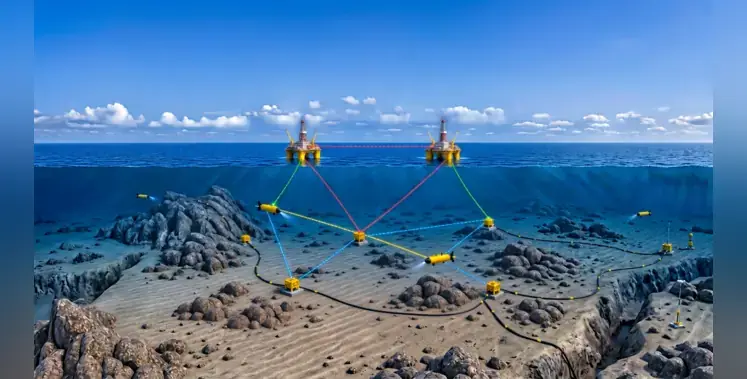
The new standard represents an important step towards optical modem interoperability for subsea systems. (Image source: SWiG)

First gas from NT-1 and NT-2 is targeted for December.
The giant Ntorya gas field development in Tanzania is anticipated to deliver vital domestic energy supplies, alleviate local energy poverty, and drive long-term industrial and economic growth for the country
Tanzanian government authorities have recognised the urgency of the project's advancement and to make sure there is no delay, an optimised timetable has been established in consultation with the joint venture partners involved in the field's development. Designed with an aim to achieve first gas production by December, the packed schedule includes critical well workovers, testing, and accelerated drilling. Fully funded field operations and pipeline infrastructure integration will prepare the site for production generation.
Aminex has reached an agreement on the sequencing and implementation of the Ntorya gas development following a meeting convened by the Tanzanian Ministry of Energy
Key stakeholders convene
Representatives of the Ministry of Energy, the Petroleum Upstream Regulatory Authority (PURA), the Tanzania Petroleum Development Corporation (TPDC), ARA Petroleum Tanzania Limited (APT), the operator of the Ruvuma PSA, and Aminex's wholly owned subsidiary, Ndovu Resources Limited (Ndovu) were present at the meeting.
While the government did not approve the operator's proposal to extend and delay the project timetable, it did confirm a revised implementation schedule with all the parties involved. This schedule comprises workover of the Ntorya-1 well (NT-1) in October, the testing of the Ntorya-2 well (NT-2) in November and the drilling of a newly planned NT-Central well (NT-C) in December.
First gas from NT-1 and NT-2 is targeted for December. Drilling of the Chikumbi-1 well (CH-1) is to proceed after NT-C is drilled. Following the change of management at ARA Petroleum LLC and a technical reappraisal of the Ntorya project, APT had proposed bringing forward NT-C, previously planned as a development well for a later phase of field development, in place of CH-1, with the drilling of CH-1 deferred. The revised implementation schedule plans to drill the NT-C first, followed by the drilling of CH-1.
It was also confirmed at the meeting that the Ntorya to Madimba pipeline will be completed in time to receive first gas from the Ntorya field in December 2026.
APT confirmed to the parties that it had all necessary funds to carry out the revised programme for the development of the Ntorya field.
The parties agreed that APT should execute the planned activities in accordance with the revised implementation schedule and without unnecessary delay. The revised programme will now be progressed through the formal Joint Venture approval process in accordance with the Joint Operating Agreement.
Economic impact of the project
Charles Santos, executive chairman of Aminex, said, "I would like to thank Dr James Mataragio, Permanent Secretary for Petroleum at the Ministry of Energy, for convening the meeting last week and for the constructive approach taken by all parties. Our focus now is on working together to implement the agreed programme and deliver first gas without further delay.
"The revised implementation programme establishes clear near-term operational milestones, targets first gas for December 2026 and provides for the drilling of a newly planned well, NT-Central, while ensuring that the CH-1 well is also drilled.
"Together, these activities form just the beginning of the development of the giant Ntorya field which is expected to deliver large volumes of gas supplies to Tanzanians, helping alleviate energy poverty, boost industrial development and fuel Tanzania's economic growth."
Puma Energy Ghana boosts LPG distribution through local partnerships.
The coming months will see a significant increase in operational activity at Ntorya.

The consistent market launches come from optimised production.
In line with Nigeria's strategy to expand reach in export market, the Nigerian National Petroleum Company Limited has globally released its new crude grade – Cawthorne
With an API gravity of 36.4 that denotes the light and sweet kind, the Cawthorne crude rules global market demand because of its unmatched petrol and diesel yields. Comparable to Bonny Light, Cawthorne crude blend is the latest from Nigeria’s basket of crude grades, building on recent additions such as Nembe and Utapate.
The consistent market launches come from optimised production, helping Nigeria to solidify its base in the export market with diverse offerings. The Cawthorne Floating Storage and Offloading (FSO) vessel, which is strategically positioned offshore Bonny, Rivers State for enhanced energy security and operational efficiency in easy crude evacuation from OML18, comprised the maiden 950,000 barrels cargo for export. Loaded on an MT Eburones vessel, it headed to the Netherlands, and unto the global market.
As Nigeria aims to attain crude production of three million barrels per day and gas output to 12 billion cubic feet per day by 2030, the international launch of Cawthorne will unlock value from its asset base and deepen market competitiveness.
“This milestone reflects the direction we have set for NNPC Limited—one anchored on execution, partnership, and value creation. We are moving decisively from resource potential to resource monetisation, ensuring that every asset delivers measurable commercial outcomes.
"The successful export of the Cawthorne crude grade is not an isolated achievement; it is part of a broader, deliberate strategy to grow production, deepen market relevance, and strengthen Nigeria’s position as a reliable global energy supplier. We remain firmly focused on delivering sustainable growth in line with national objectives and global market expectations,” said Bashir Bayo Ojulari, Group Chief Executive Officer of NNPC Ltd, as he acknowledged President Bola Ahmed Tinubu’s leadership and OML 18 partners' strong collaboration in achieving the milestone.
Technological innovation, strategic partnerships, and operational discipline will remain central to NNPC Limited's vision as the organisation works towards value creation from Nigeria's vast hydrocarbons resources.
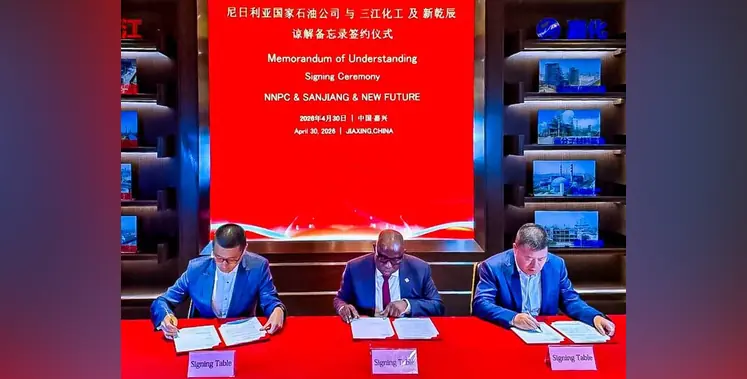
The MoU was signed in China. (Image source: NNPC)
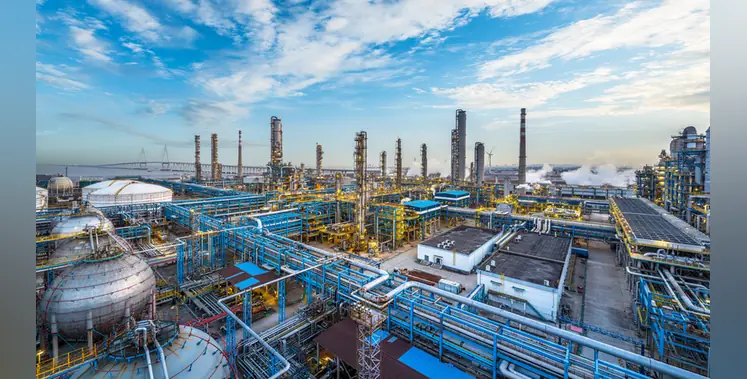
Africa’s refining landscape is diverging.
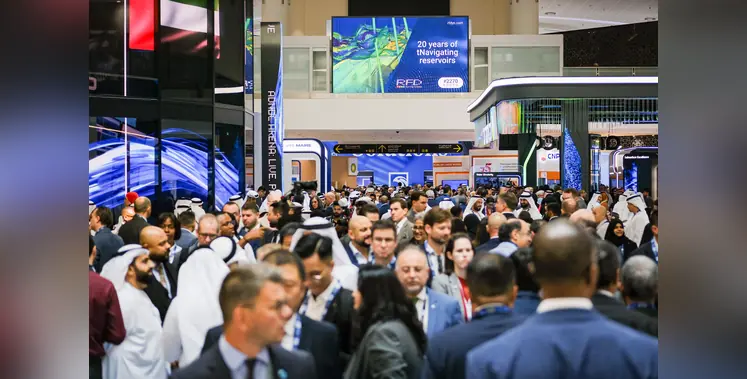
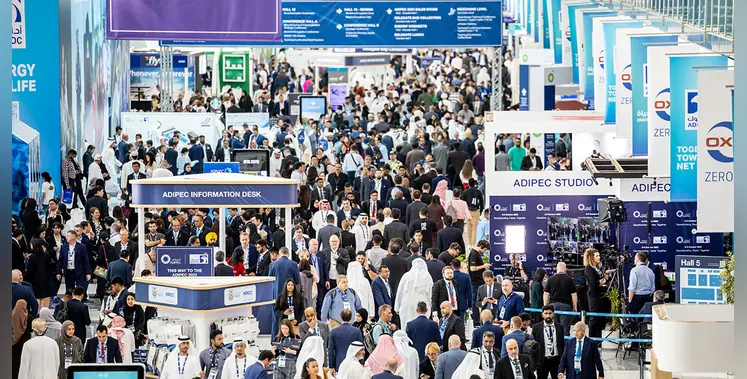
Energy leaders from across Africa will participate in the Strategic Conference. (Image source: dmg events)
The upcoming edition of ADIPEC 2026 will feature a strong contingent of African government leaders, underlining the continent's growing importance in shaping the future of global energy markets
Held under the patronage of His Highness Sheikh Mohamed Bin Zayed Al Nahyan, President of the United Arab Emirates, and hosted by ADNOC, ADIPEC 2026 will take place in Abu Dhabi from 2 to 5 November 2026, convening policymakers, industry executives, technology innovators and investors from around the world.
Senior ministers and energy leaders from across Africa are expected to participate in the event's Strategic Conference and high-level discussions, bringing perspectives from some of the world's fastest-growing energy markets. Their participation reflects increasing collaboration between African nations, the Middle East and international partners to expand energy access, attract investment and advance sustainable economic development.
Among the confirmed speakers are: Rt. Honourable Ekperikpe Ekpo, Nigeria's Minister of State for Petroleum Resources (Gas); Honourable James Opiyo Wandayi, Kenya's Cabinet Secretary for Energy and Petroleum; Honourable July Moyo, Zimbabwe's Minister of Energy and Power Development; and His Excellency Dr. Khalifa Rajab Abdulsadek, Libya's Minister of Oil and Gas.
Also participating are: His Excellency El Hadji Abdourahmane Diouf, Senegal's Minister of Energy and Petroleum; His Excellency Tiémoko Traoré, Mali's Minister of Energy and Water; and His Excellency Karim Badawi, Egypt's Minister of Petroleum and Mineral Resources. They will be joined by Proscovia Nabbanja, Chief Executive Officer of Uganda National Oil Company (UNOC), representing one of Africa's most closely watched emerging energy companies.
Africa is home to vast oil, gas and renewable energy resources and is expected to play a pivotal role in meeting rising global energy demand while supporting economic growth across the continent. Many countries are pursuing strategies that balance energy security, industrial development and emissions reduction, creating new opportunities for investment, technology deployment and cross-border collaboration.
At ADIPEC 2026, African leaders will engage with global decision-makers on topics including energy security, gas development, infrastructure investment, energy access, digitalisation and the pathways to a lower-carbon future. Their presence will reinforce ADIPEC's role as a leading platform for international dialogue and partnership, bringing together governments and industry to accelerate progress toward a more secure, affordable and sustainable energy system.
To register to attend ADIPEC 2026, visit https://www.adipec.com/
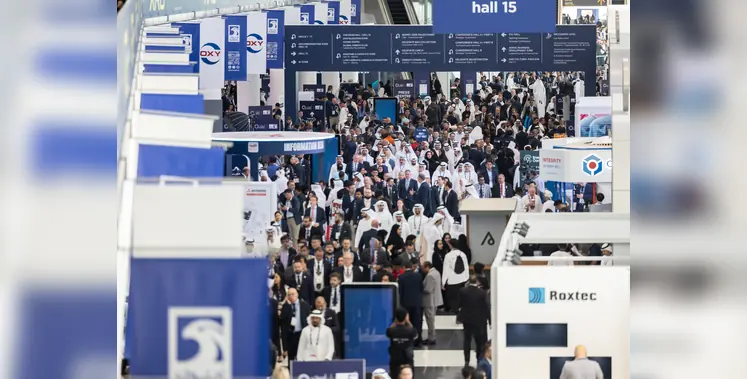
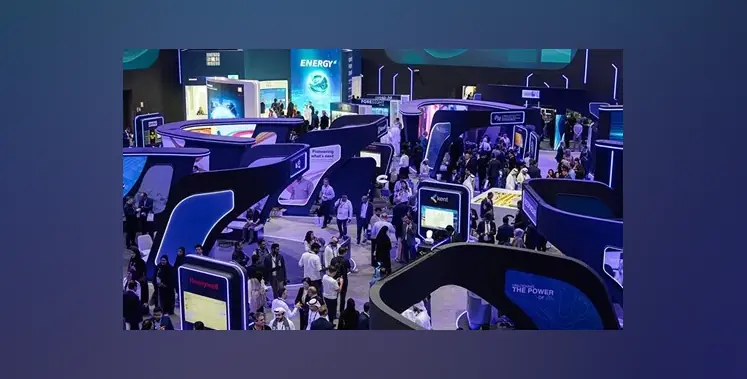
The event will convene the global energy industry in Abu Dhabi. (Image source: dmg events)
Most Read
-
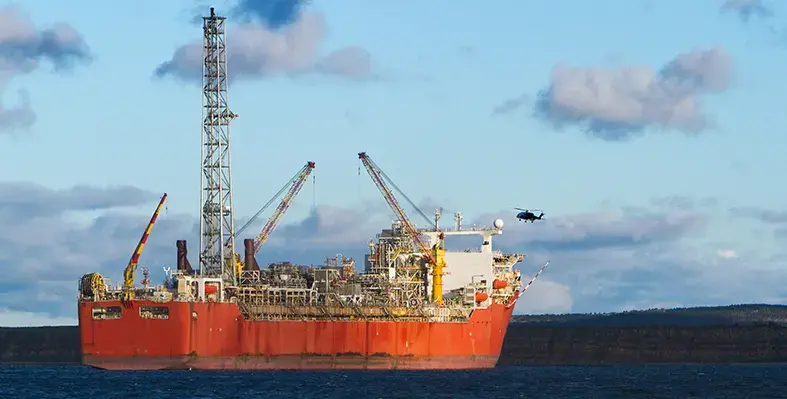
The Agogo project involves the development of Agogo and Ndungu fields.
- Details
-
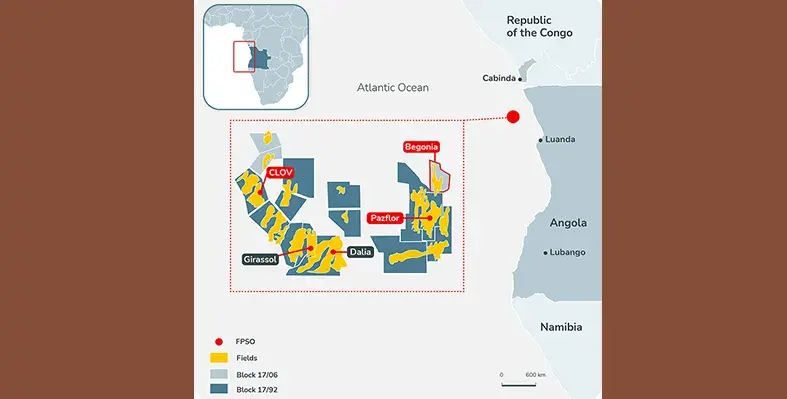
The two subsea tie-back projects will deliver additional production. (Image source: TotalEnergies)
-
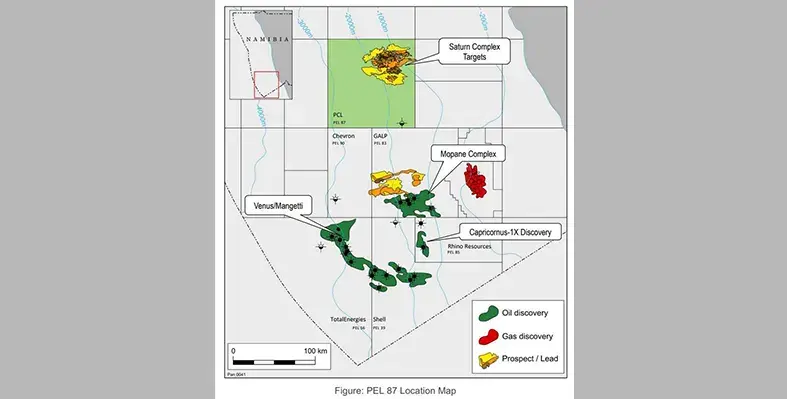
A single well location can now be pinpointed at Oryx prospect. (Image source: Pancontinental Energy)
-

Initial results from drilling and logging the Begonia-2 appraisal well are successful.
-
BW Energy delivered a strong first half of 2025.
-

The Kavango West 1X well was spud on July.
-

The sale of its Gabon assets marks Tullow’s exit from its licences in Gabon after 21 years.
-

Both partners have entered into detailed commercial discussions.
-

Capricorn forecasts the drilling of 10 development wells for H2 2025.
-

The MoU will advance regional energy development in sub-Saharan Africa.
-

The rig will be used for drilling the Kharas appraisal well.
-
The project could reduce the fleet’s GHG emissions by up to 10%. (Image source: Opsealog)
-
Bourbon will utilise its data management system for end-to-end execution. (Image source: Adobe Stock)
-
There is a potential for an uptick in E&A drilling activity. (Image source: Westwood)
-
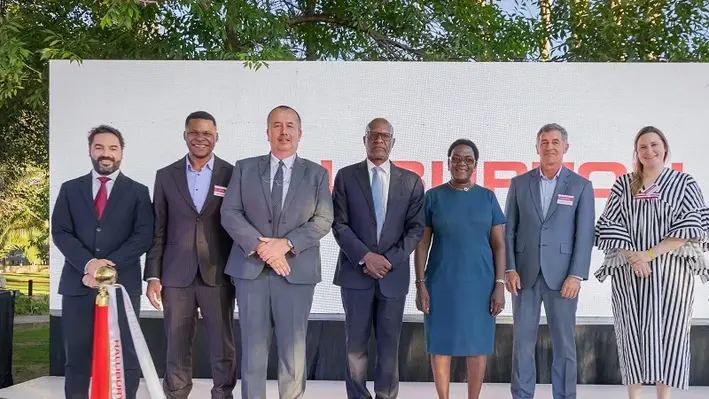
The locations will employ locals and are expected to grow Namibia’s energy sector. (Image source: Halliburton)
-

PetroVision will facilitate operations within Nigeria using DUG Insight software. (Image source: Adobe Stock)
-

Major operators are increasingly adopt AI. (Image source: African Energy Chamber)
-
ANPG is inviting companies to participate in the upcoming licensing round. (Image source: Adobe Stock)

Latest News
-
Khaled Salah, vice president - Africa, AVEVA. (Image source: AVEVA)
-
During a prominent energy conference held recently in Cape Town, a senior government official revealed that Angola intends to implement faster exploration concessions from next year.
-
The Senegalese government has opened 104 oil and gas blocks to international investors, seeking new upstream exploration and production contracts to accelerate the development of its natural resources.
-
Nigeria’s Dangote Petroleum Refinery has just announced a staggering US$4.73bn net profit for the first nine months of 2026.
-
Regional trade desks reported on Wednesday that sellers of sweet and heavy West African grades are finding it difficult to clear their export programmes.
-
East African nation has established a clear timeline to transition into an active player in the global energy market. The commencement of commercial oil production is officially on track for June 2027.
-
Drilling operations have begun in the deepwater Baobab field. (Image source: Vaalco)
-
Morocco is looking to develop its hydrocarbon resources to reduce its dependence on imported energy. (Image source: Adobe Stock)
-
Petralon 54 has revamped its production capacity significantly.
-
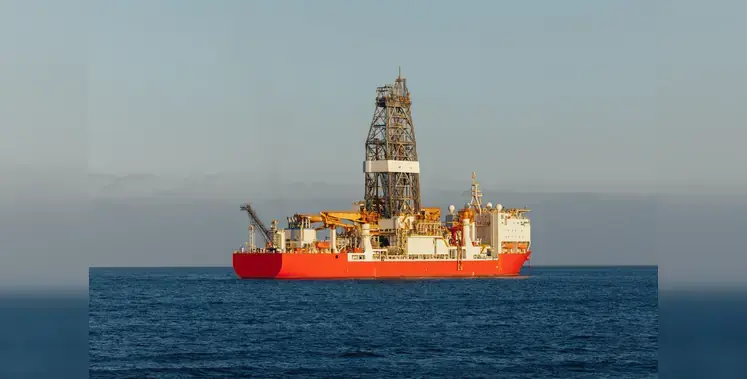
Perenco started a new five well drilling campaign on the Masseko field.
-
Puma Energy Ghana boosts LPG distribution through local partnerships.
-
Europa associate to farm out stakes offshore Equatorial Guinea.
-
SLB to deploy subsea production system for Rovuma development.
-

EBITDA expanded 22% to N18.0 trillion.
-

Block 1 CBK spans 19,929 sq kms.
-
The coming months will see a significant increase in operational activity at Ntorya.

More Articles
SLB to deploy subsea production system for Rovuma development.
The new standard represents an important step towards optical modem interoperability for subsea systems. (Image source: SWiG)
The TESCOM RC-X motorised injection rate control valve. (Image source: Emerson)
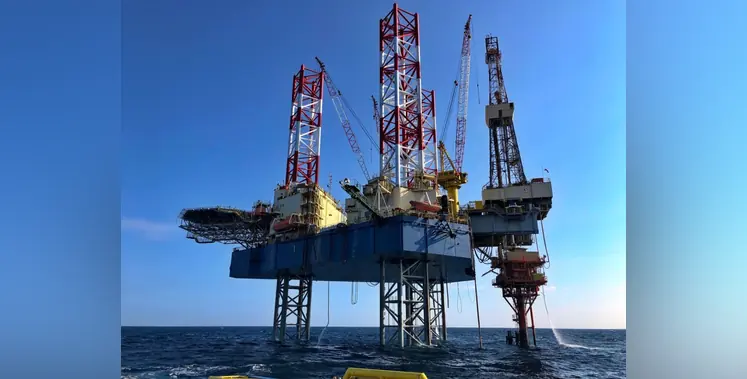
PipeSense deployed PipeScan, a pressure-pulse technology, to locate obstructions in two offshore pipeline networks. (Image Source: PipeSense)
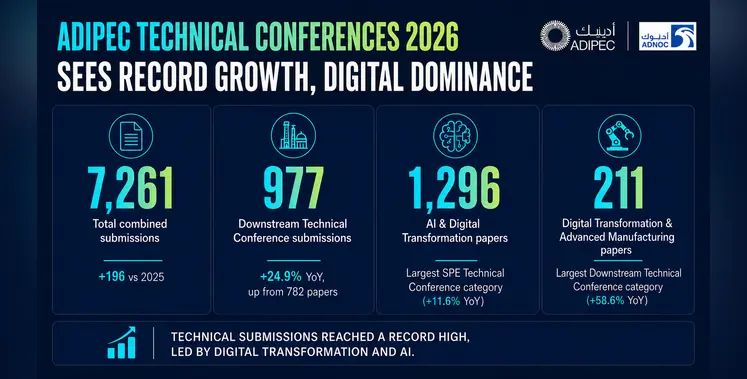
The submissions reveal an industrial shift towards smart, resilient and efficient energy systems.
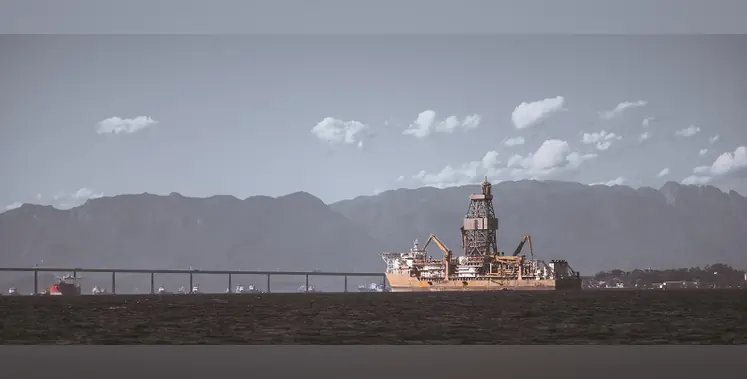
MODEC's mooring system to support Coral Norte.
Construction vessels FDS and Shen Da will be deployed.

SLB launches digital marketplace for energy companies. (Image source: SLB)
The Technical Conference is organised by SPE. (Image source: dmg media)
Baker Hughes and NLNG collaboration continue to run strong. (Image source: Baker Hughes)
Baker Hughes offering lifecycle solutions for ANOH Gas project.