cc.web.local

twitter Facebook linkedin acp

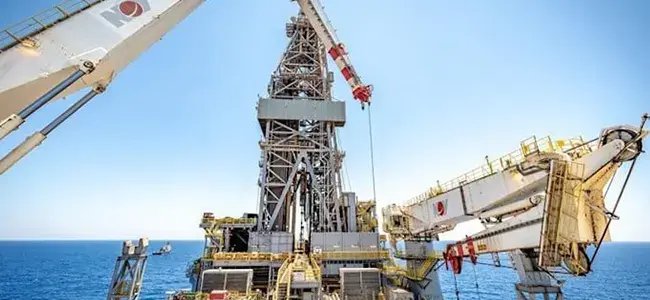
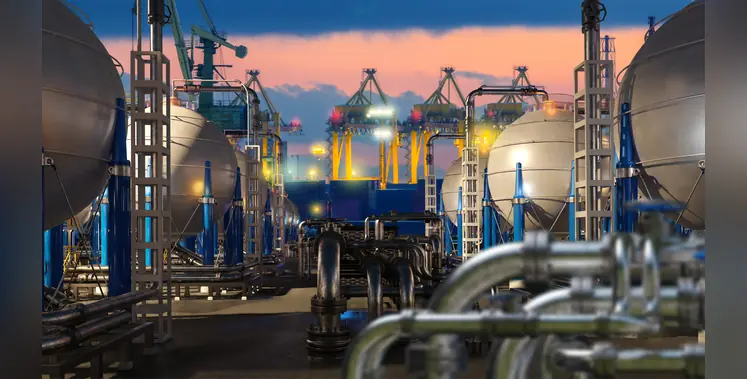
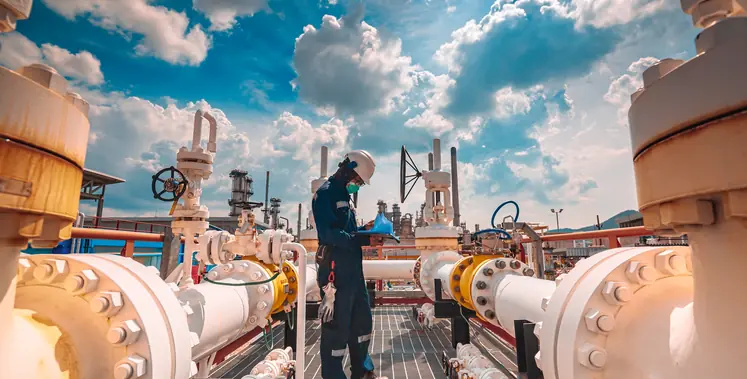
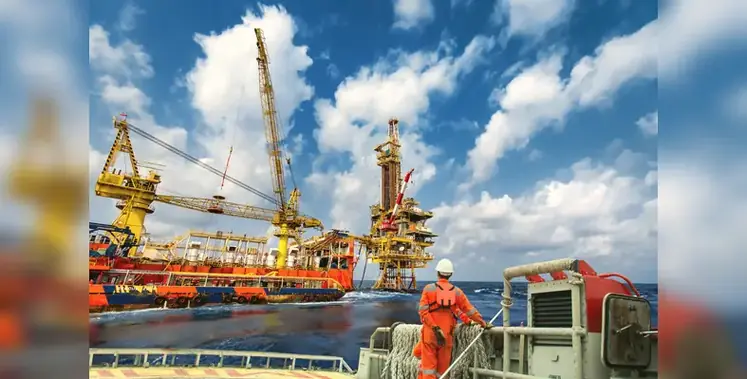
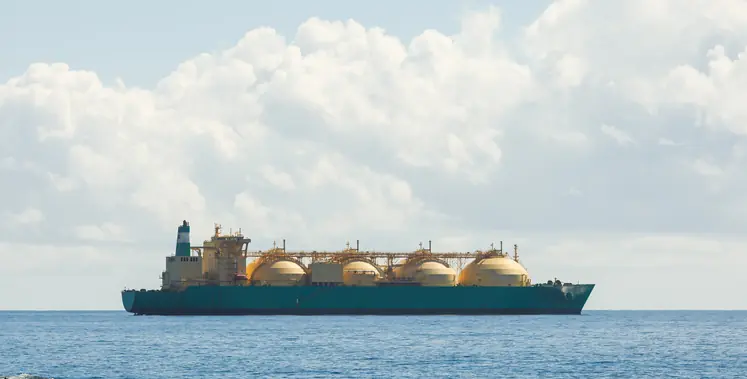
The financing will support the engineering, procurement and construction of the Afungi Peninsula-based project. (Image source: Adobe Stock)

An integrated liquefied natural gas (LNG) project in northern Mozambique has finally received a long overdue funding from the newly constituted board of directors of the Export-Import Bank of the United States (EXIM), which approved a direct loan of up to US$4.7bn that will cover export costs of US goods and services for the facility's development and construction
“I am pleased that in authorising this amendment the Bank finally fulfills the commitment EXIM made nearly six years ago to this Mozambique LNG project,” said the Bank's acting president and chairman Jim Cruse.

In a larger scale, the financing will support the engineering, procurement, and construction of the Afungi Peninsula-based project that comprises an onshore LNG plant, related facilities, and offshore activities. 

The Rovuma LNG Phase 1 project, which also belongs offshore Afungi Peninsula, is another prospective zone with natural gas liquefaction and export potential. Houston-based energy engineering company, McDermott International, has been handling the front-end engineering design (FEED) operations of the project. 

“LNG helps shape an entirely new era of energy solutions and McDermott plays a significant role in this global shift with more than 60 years of LNG experience,” said Rob Shaul, senior vice-president of McDermott's Low Carbon Solutions business. “McDermott is well established in Mozambique and can apply this knowledge and experience to continue the country's industrial, social and economic development.”

The Mozambique LNG project remains a vital investment for the US as it aims to diversify its international portfolio. 

Mozambique's LNG evolution has also warranted the rise of LNG technology companies in the region, such as Air Products. The company's dual mixed refrigerant LNG Process technology (AP-DMR) and equipment has been deployed at the Coral South floating liquefied natural gas (FLNG) plant, ensuring LNG production above 3.4 mn tons per year.


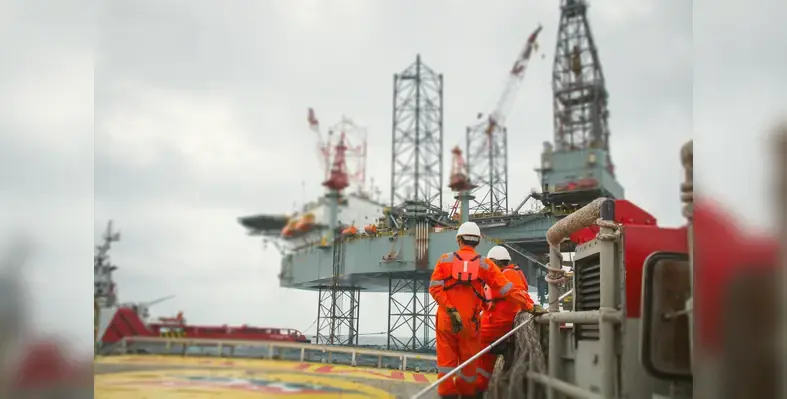
The ESIA approval will help advance pilot production activities. (Image source: Adobe Stock)
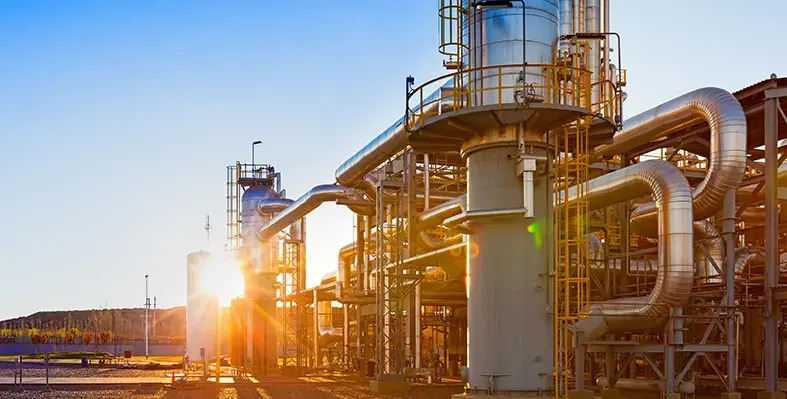
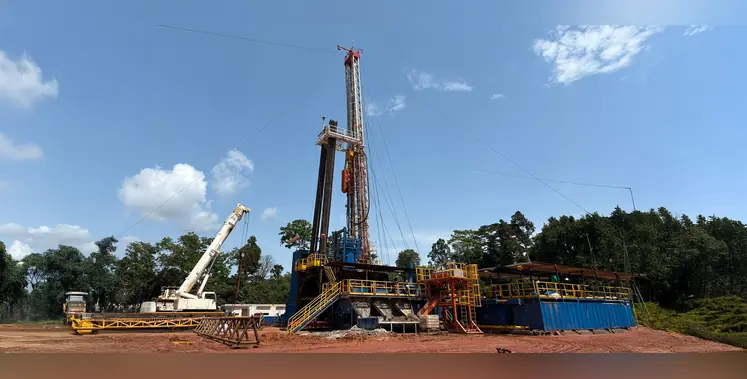
Invictus Energy Limited has announced that the Zimbabwe Environmental Management Agency (EMA) has approved the Environmental Social Impact Assessment (ESIA) for pilot production activities at the Cabora Bassa Project

Pilot production activities include the Eureka Gold Mine Gas-to-power Project and incorporates gas extraction, liquefaction, and transport from the Mukuyu gas field, as well as future extraction operations.

The approval provides a clear pathway for the commercialisation of gas resources from the Cabora Bassa Basin. Following the approval, the Company was issued with License No: L10000062291.

Invictus Energy managing director Scott Macmillan said, “The ESIA approval is a critical milestone for Invictus, and paves the way for the future development of the Mukuyu gas field and broader exploration license areas. We will now finalise pilot production planning, secure all necessary permits, and advance discussions with additional potential offtake partners.

Invictus remains committed to unlocking Zimbabwe’s gas potential and delivering long-term value to shareholders and the broader region.

I look forward to providing further updates as we advance these pilot production activities.”

Gas-to-power projects

The ESIA approval is a pivotal step towards the commencement of pilot production activities, including the Eureka Gold Mine gas-to-power project. This project is being developed in collaboration with Dallaglio (owner of Eureka Mine) and Himoinsa SA (onsite power generation provider to Eureka), leveraging Mukuyu’s gas resources to supply reliable and cost-effective power to the mine.

Invictus and Himoinsa SA have been actively engaging with various technology providers for gas processing, liquefaction, and logistics solutions to feed into the feasibility study, which is progressing in tandem. These engagements are aimed at identifying optimal technologies to maximise efficiency and commercial viability for the pilot production phase and subsequent large-scale development.

Initial Eureka gas-to-power project feasibility study results indicate a high look-through gas price exceeding US$10/GJ for gas-fired power generation, based on current grid tariff rates. This underscores the economic viability of the Mukuyu gas field as a strategic energy source for power generation in Zimbabwe and the broader region.

The ESIA expands on the initial 2019 assessment, which was one of the most extensive environmental studies ever undertaken in Zimbabwe. The 2019 study included rigorous field surveys and baseline measurements across multiple disciplines, including hydrology, ecology, environmental and archaeological assessments, hydrogeological and soil surveys, as well as socioeconomic and community consultations. Key stakeholders engaged during the assessment process included local leaders, relevant government ministries, and government extension offices.

The ESIA approval reinforces Invictus Energy’s commitment to responsible and sustainable resource development, ensuring compliance with stringent environmental and social governance (ESG) standards while advancing Zimbabwe’s domestic energy security.

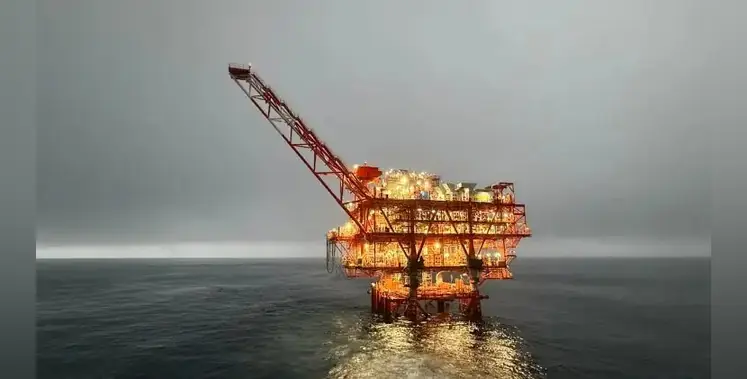
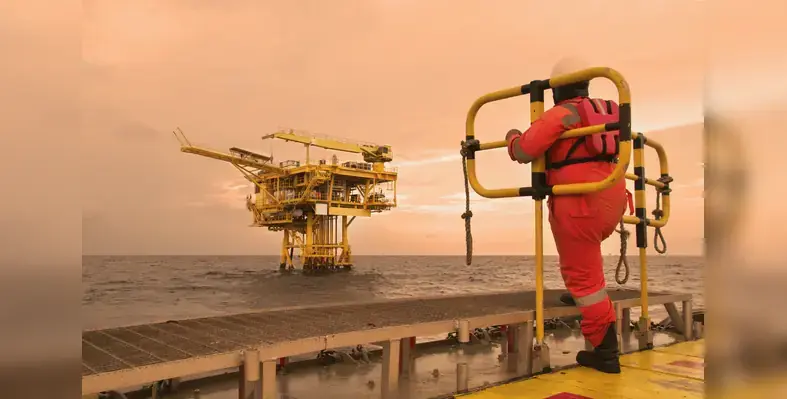
The new wells are expected to produce around 220bn cubic feet of gas and 7 million barrels of condensate. (Image source: bp)

bp has announced the start of production ahead of schedule from the second development phase of the Raven field, part of the West Nile Delta (WND) project offshore Egypt

The project involves the subsea tieback of additional Raven infill wells to its existing onshore infrastructure. The new wells are expected to produce around 220bn cubic feet of gas and 7mn barrels of condensate. bp, the operator, holds an 82.75% stake in the project, with Harbour Energy owning the remaining 17.25%.

The WND Gas Development comprises a series of gas condensate fields located offshore Egypt, within the North Alexandria and West Mediterranean Deepwater concessions. The Raven field, the final phase of the WND project, has been in production since early 2021. Its initial phase included the development of eight subsea wells, located up to 65 km offshore, at water depths ranging from 550 to 700 m.

Nader Zaki, bp regional president for the Middle East and North Africa, commented, "Since January 2024, we have not stopped drilling for one day. The focus of the Raven Infills project has been to fight natural decline and increase production while maximising our existing infrastructure to meet Egypt’s domestic market demand at pace. This further demonstrates bp’s commitment to investing in Egypt, enabled by the unparalleled support and partnership with the Ministry of Petroleum, EGPC, and EGAS."

Earlier this month, bp announced it had successfully completed the drilling activity at the “El King-2” exploration well in the North King Mariout Offshore Concession as part of its WND drilling campaign. The well encountered two prospective Messinian reservoirs at a measured depth of approximately 2,400 m. Zaki commented at the time that bp is well-positioned to fast-track the development of the discovery with its existing infrastructure, execution capabilities and strategic partnerships with the Ministry of Petroleum.

bp is a leading energy investor in Egypt, where it has been operating for almost 60 years, with an investment of more than US$35bn. With its partners, it currently produces around 70% of Egypt’s gas through its gas development projects in the West and East Nile Delta.

bp says it is committed to maximising production from existing resources, exploring new opportunities to add new resources, and leveraging its existing infrastructure to support gas supply that meets growing domestic demand while strengthening Egypt’s position as a key energy partner in the region.

In December, bp and XRG (ADNOC’s international energy investment company) announced they had formed a new joint venture Arcius Energy (51% bp, 49% XRG). The JV will initially focus on gas development in Egypt, and includes interests assigned by bp across two development concessions, as well as exploration agreements.

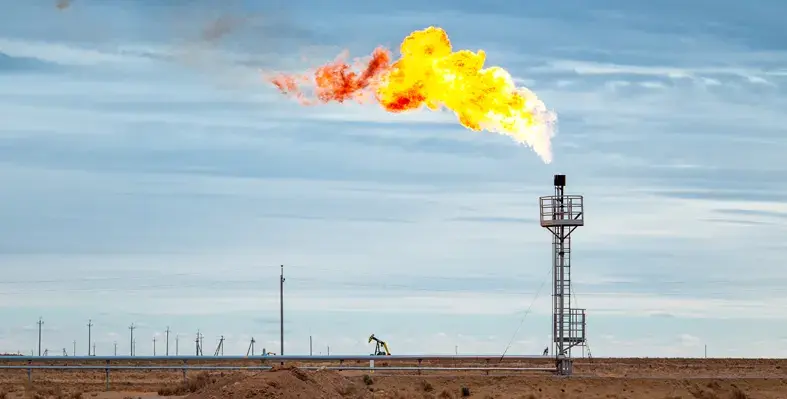
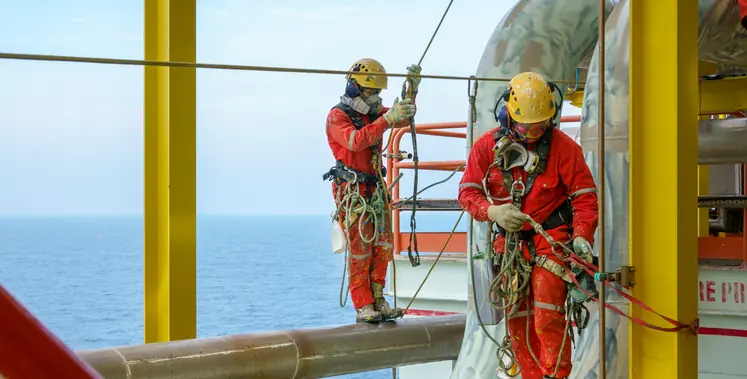
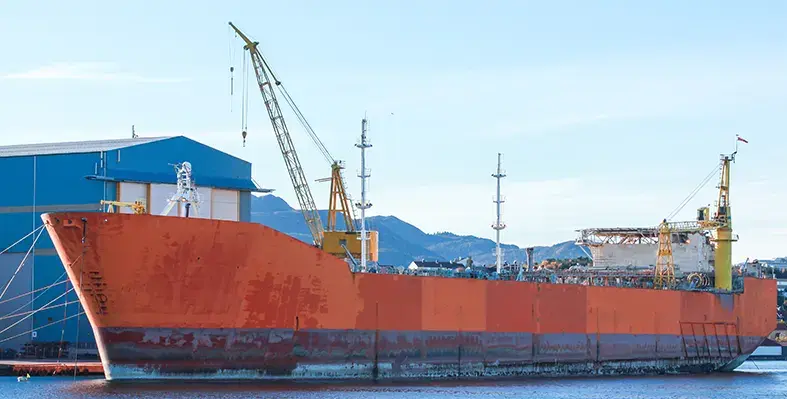
Cutting emissions from flaring significantly reduces Algeria’s contribution to global warming. (Image source: Adobe Stock)

The implementation of advanced flare gas measurement systems unlocks numerous opportunities for Algeria that could enhance its economic and environmental standing

Among these benefits are:

• Capturing and exploiting flared gas could contribute an estimated US$3bn annually to Algeria’s economy, according to sources such as the World Bank and the International Energy Agency. This substantial revenue has the potential to support renewable energy projects, infrastructure development, and public services, creating both immediate and long-term benefits for the nation.

• Compliance with international sustainability standards ensures Algeria’s gas remains competitive in export markets, particularly Europe. Non-compliance with CBAM regulations could lead to higher tariffs, undermining Algeria’s position.

• Cutting emissions from flaring significantly reduces Algeria’s contribution to global warming. This is particularly vital for Algeria, which has already faced documented environmental challenges such as prolonged droughts, advancing desertification, and diminishing water resources. By addressing these environmental pressures, Algeria is not only safeguarding its natural ecosystems but also ensuring a more sustainable future for its population.

• Reducing flaring enhances local air quality by lowering exposure to pollutants. Studies by organisations such as the World Health Organization (WHO) have linked the impact of volatile organic compounds (VOCs) from flaring on the degradation of air quality leading to higher rates of long-term respiratory and cardiovascular illnesses for nearby populations.

Turning Algeria’s ambitions into action requires collaboration, and one tangible aspect of this is Fluenta’s partnership with Segitec, a leading provider of instrumentation solutions in North Africa. Segitec’s deep regional expertise ensures Fluenta’s technology is accessible and supported across Algeria.fluenta

Together, Segitec and Fluenta play a vital role in supporting Algeria’s operators to meet emissions goals and positioning the country as a regional leader in sustainable energy practices. With third-party investment playing a crucial role in funding flare reduction projects, partnerships like these provide the infrastructure and credibility Algeria needs to attract private capital.

Algeria’s ambitious climate targets and hands-on approach to emissions reduction position it as a clear leader in North Africa’s energy transition. Embracing innovative technologies, strengthening regulatory frameworks, and fostering strategic partnerships sets a benchmark for how oil and gas-producing nations can align economic development with environmental stewardship.

The long-term benefits of sustainable energy practices is significant not just for the environment but also for the country’s economic resilience. As one of Africa’s leading energy producers, Algeria’s progress shows that even resource-dependent economies can combine greener, more efficient practices with lofty industrial ambitions.

Sustainability and competitiveness are no longer mutually exclusive. The ability to balance a high growth in energy production with stringent environmental standards underscores Algeria's position as a key player in the transition to a low-carbon future. 

This is the second of a two-part article. Read the first part here

Top Stories

Grid List

The agreement will considerably push Nigeria's deepwater development.

Exploration

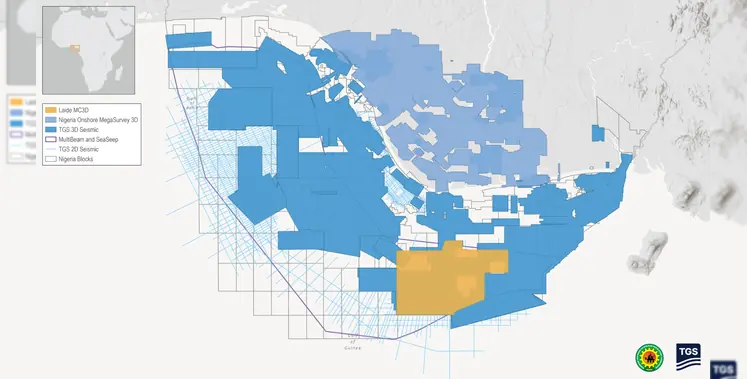
As Oil Prospecting Licence 245 (OPL 245) undergoes conversion, the President of the Federal Republic of Nigeria, Bola Ahmed Tinubu, and Eni's chief executive officer, Claudio Descalzi, met in Abuja to explore how the development can advance the Nigerian deepwater sectors

A significant feature of the agreement is the discontinuation of the international arbitration proceeding at the International Centre for Settlement of Investment Disputes (ICSID), thus allowing the conversion of the existing license into two development licences, Petroleum Mining Leases (PML) 102 and 103, and two exploration licences, Petroleum Prospecting Leases (PPL) 2011 and 2012, to Nigerian Agip Exploration Limited (NAE) as operator, alongside its partners Nigerian National Petroleum Company Limited (NNPC) and Shell Nigeria Exploration and Production Company Limited (SNEPCO). 

The agreement will considerably push Nigeria's deepwater development with Eni set to apply its know-how on the Zabazaba and Etan fields for optimal output. An extensive programme has been devised to generate approximately 500 MMbbl of reserves from the fields, including the deployment of a 150 kbopd capacity FPSO processing facility, while gas (200 MMSCFD at peak) will be exported through Nigeria LNG. The highly potential PPL 2011 and PPL 2012 exploration licenses will also be developed in line with the Zabazaba and Etan fields for a well-synced operational and production output from all facilities involved.

President Tinubu and Mr Descalzi also discussed Eni’s significant investment portfolio — including the Abo and Bonga fields and Nigeria LNG — as well as on potential new developments designed to expand the country’s offshore production capacity. Within this framework, and in line with its long-term strategy in the country, Eni has recently expanded its interests in deep-water developments, with the acquisition of an additional stake in OML 118, now holding 15%.


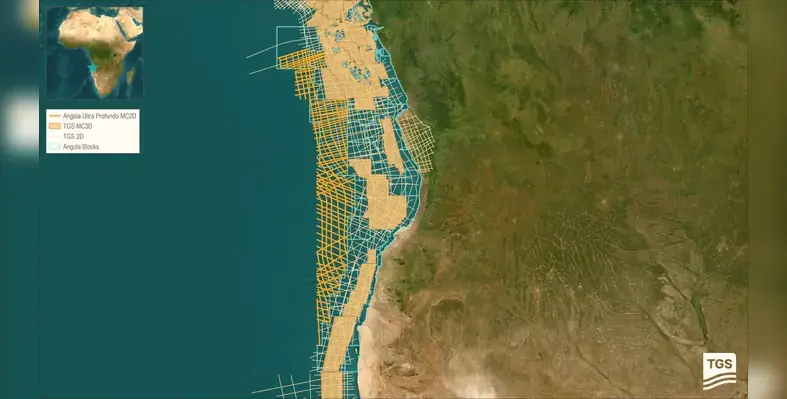
The survey spans approximately 12,600 line kilometers. (Image source: TGS)

Geology & Geophysics

Energy data and intelligence provider, TGS, has announced the Ultra Profundo multi-client 2D survey offshore Angola

The survey spans approximately 12,600 line kilometers, and Ramform Victory began operations earlier in Q1. Data acquisition is likely to be completed in around 100 days, with fast-track products available in Q3. Full data processing is scheduled for completion in Q2 2027.

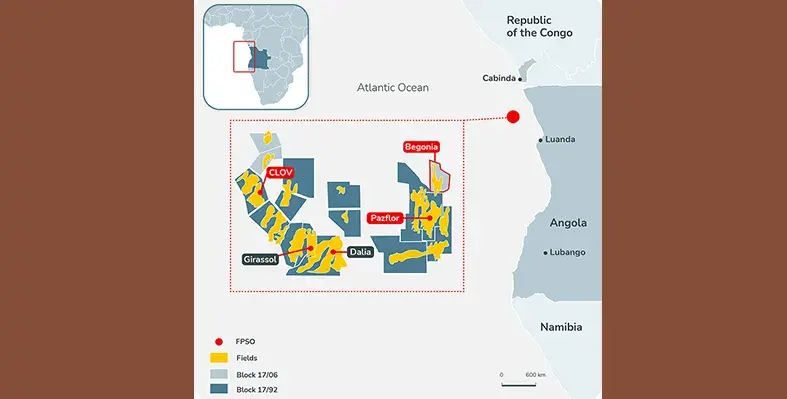
The Ultra Profundo multi-client 2D survey marks the first 2D multi-client acquisition over Angola’s ultra deep-water areas since 2015 and aims to reach previously underexplored region. The survey delivers modern, long-offset seismic data critical for imaging complex pre-salt and top-salt structures as well as basin floor channel systems, significantly enhancing regional geological understanding.

Kristian Johansen, CEO of TGS, said, “Angola’s ultra deep-water margin represents one of the most exciting frontier exploration opportunities in West Africa. Our Ultra Profundo multi-client 2D program delivers high-quality seismic coverage needed to unlock pre-salt and sub-salt potential. By leveraging TGS’ acquisition and imaging capabilities, we will provide high-quality data supporting future exploration activities.”

TEN field's total production count for 2025 is 16.0 kbopd.

Technology

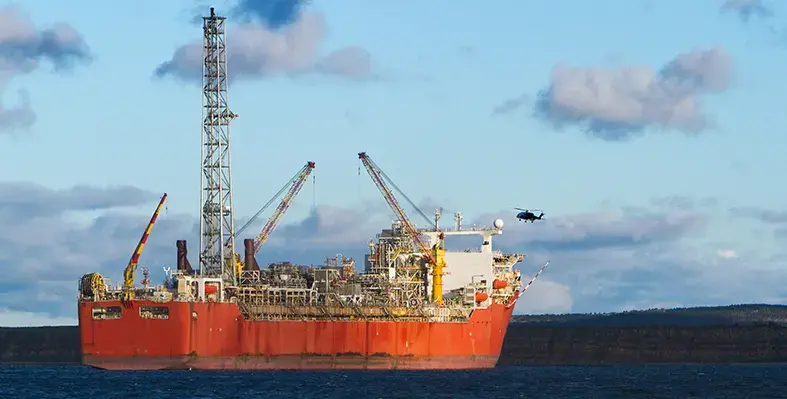
With all reservoir and operations risks for 2026 considered, Tullow Oil is aiming an average production rate of 34-42 kboepd, including 6 kboepd of gas 

In 2025, Ntomme and Enyenra performance from TEN led the field's total production count at 16.0 kbopd, while the exit rate from Jubilee stood at 57 kbopd. 

The company will be deploying riser system and riser-base gas lift for well production management activities, and waterflood and fluid lift optimisation. These, along with the support of high-uptime FPSO, five planned Jubilee wells (four producers and one water injector) are expected onstream this year. The J75-P, for instance -- where a rig has been active for drilling -- has recorded three good reservoir intervals. 

The recently completed J74-P well is already onstream since January, revealing 50 meters of net pay while generating an initial gross production through the wellbore at 13 kbopd. 

The well management measures align with findings from 4D seismic and Ocean Bottom Node seismic surveys to leverage significant reservoir information extracted. 

Tullow has made a strategic investment to acquire the TEN FPSO as it will simplify operational synergies between the TEN and Jubilee fields, maximising output in the long term with minimal expenses. The company has already secured 10-year and 14-year-long ratifications on the West Cape Three Points and Deep Water Tano Petroleum Agreements.

Ian Perks, chief executive officer, Tullow Oil Plc, said, “2025 has been a year of disciplined execution across the business. This includes strong operational momentum which continues with excellent results from the latest Jubilee well and a further five wells due onstream this year to support our production targets. We have achieved significant cost reductions and completed the sale of non-core assets in our ongoing efforts to streamline our portfolio and strengthen our financial position.

“However our 2025 full year free cashflow was negatively impacted by the commodity price environment towards the end of the year and delays in receipt of Government of Ghana receivables and the second instalment of proceeds from the Kenya disposal.

“The refinancing transaction we have announced today enables us to focus on delivering our near-term priorities, which include driving further cost efficiencies, improving cashflow management and optimising our production."


The panel's theme was 'Africa's energy transition on African terms'.

Gas

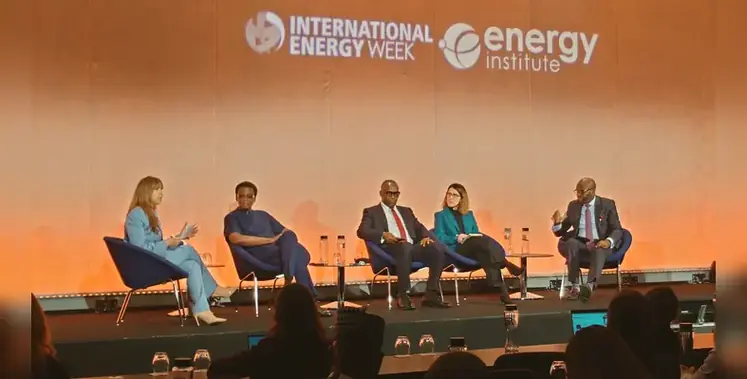
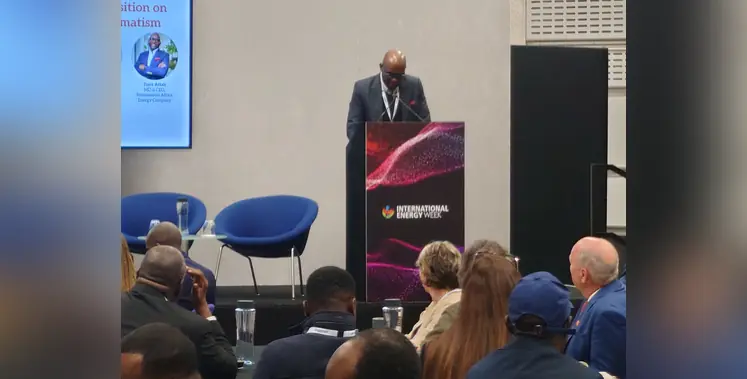
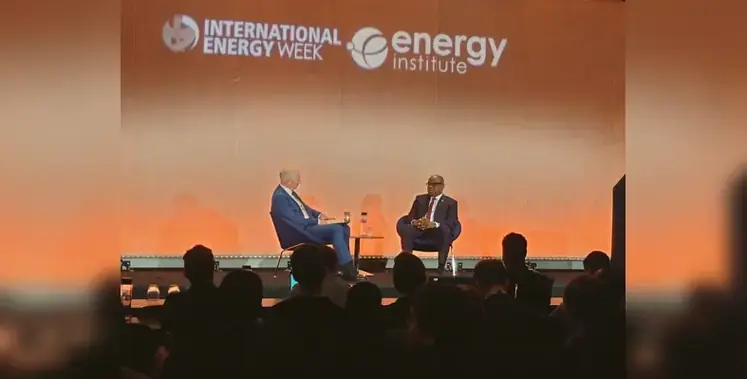
Crystol Energy's founder and chief executive officer, Dr. Carole Nakhle, moderated an Africa-focused panel during the recently concluded International Energy Week in London to get a perspective on the continent's stand on decarbonisation and energy transition practices

"It's not saying that decarbonisation should be ignored, but the truth is, you can't decarbonise what you don't have. If you don't have energy, you can't be talking about decarbonisation. You have to have the energy faster than you decarbonise," said the Nigerian National Petroleum Company's chief financial officer, Adedapo Segun, in the context of poor energy access in Africa

Segun's case was further supported by Renaissance Africa Energy Company's managing director and chief executive officer, Tony Attah, who said that with a teeming youth population, Africa cannot compromise on industrialisation. "I think it's a no brainer that from an African lens, from a Nigerian lens, industrialisation is what will move people out of poverty. We want to be given the flexibility to use the same resources to achieve what Europe and the rest of the world has achieved. From an African lens, it's survival first. I haven't survived. You're asking me to make a choice. It's about the industrialisation of Africa...when you talk about the whole emissions and impact on climate, data suggests that the entire Africa is contributing way less than 4% so essentially, we can even carry on at two, three times the scale today, and it will not be of any significant impact," Attah said.

While Dr. Nakhle was all ears, she stressed Africa's responsibility to eliminate flaring for sustainable production. "Just by increasing the penalty on gas flaring, you motivate the companies to actually still produce oil and gas with lower carbon intensity, because I think that would be the winning step for the future, and not to continue with what was a good old fashioned way of producing oil and gas."

According to Attah, flaring has been a focus area for most creditors as part of decarbonisation strategy, which aligns with attaining zero routine flare by 2030. With engineers working on projects to deal with gas storm compression infrastructure that are capable of moving gas from flood centres to the market, there has been a massive reduction in flare now. 

Gas is already driving Africa's energy narrative, with around 620 trillion standard cubic feet coming solely from Algeria, Mozambique and Nigeria. The world has come to Africa with massive investments, not just for international market but also the domestic market. The nation is hence way past the stage of "making a case", as now its just a matter of the investments unleashing the potential that is trapped in all these countries.

"Gas is going to be the game changer for us. So we are looking to develop our gas resources and export the gas to derive the financing for developing the country, and bridging the infrastructure gap," said AGPC's managing director, Effiong Okon, as he gave some perspective on Nigeria's national budget against the infrastructure budget of European countries.

"We have a budget of just about 20 something million dollars. That is for the whole country, and 45% of that goes to debt service. Another 15% goes to security. So you have 60% of the budget locked in debt service and security. And with that, you really cannot build infrastructure. You need to improve the standard of living. It becomes impossible. I checked on some of the European countries, Germany, for example, for just for infrastructure in 2026 [it is] going to spend close to US$200bn. So we really need to find the prosperity to develop," he said. 

Dr. Nakhle also raised the question of Africa's biggest paradox. "Africa is rich in energy resources, and yet it is poor when it comes to energy consumption. What do you think needs to change to change this reality on the ground?" she asked.

Attah's answer was that Africa is looking at a typically extractive industry when it comes to oil and gas. While the resource belongs to the nation, it was entirely under the control of international oil companies. Due to this structural dislocation, IOCs will extract, go and develop their respective countries with it. But now with majors announcing massive divestments on the back of onshore maturation, companies like Renaissance were feeling the heat. "But I have to thank NNPC for just supporting the divestment to go through. So we bought the share assets, and you can imagine that our philosophy and vision will be different from that of an IOC. We have a very audacious vision to be the African leader in energy. The IOC will not want to be the African leader in energy. They want to be the global leaders, but we want to be the African leader in energy. We want to enable energy security, [and] we want to bring about the industrialisation of Nigeria. Now that was not an assignment for the IOC...We are now taking our destinies in our hands to the extent that we will have no choice than to ensure that that shared prosperity from this energy resource base changes the narrative. On behalf of Nigerians, starting from Nigeria, pivoting to rest of Africa, which is why we like to say as Renaissance, we were made in Nigeria, built for Africa," he said. 

On the energy transition front, Silvia Macri, Middle East and Africa lead, Power & Renewables, S&P Global, said, "If you think about diversification, some countries in western Africa, Kenya in eastern Africa, are pushing either away from a fossil fuel heavy energy mix, or diversifying the sources, instead of having one major source of the produces, power or energy for the country; just choosing all the different options that are available. And this is something that South Africa, for example, has started doing at a faster pace. Kenya is probably the country where this has happened at the highest level, because it has a huge availability of geothermal resources, which allowed the diversification into renewables, but western African countries are bringing gas generation in the mix together with renewables...going forward, [it is important that] the decisions that they're making are more for the longer term, and they're not just solving the problem that is immediate."


Vitol Bahrain EC has a long-standing presence in Uganda's downstream sector.

Downstream

As the Uganda National Oil Company aims to build a crude refinery, it has reached out to a unit of global commodities trader, Vitol, for a US$2bn loan to support the project alongside construction and infrastructure developments

According to Henry Musasizi, Uganda's junior finance minister, this seven-year tenor loan from Vitol Bahrain EC (VBA) comes with an interest rate of 4.92%. The minister worked on advancing the approval process for the credit line and the loan, which involved significant lawmakers, who sanctioned the development with a majority verdict.

Musasizi said that Vitol's support "presents an opportunity to access non-traditional financing to implement. ..projects and support the government in developing national infrastructure."  

Vitol Bahrain EC has a long-standing presence in Uganda's downstream sector, functioning as the sole supplier of refined petroleum products to UNOC, before the state-owned company sells it to retailers across the country.

Alongside the refinery, the loan amount will also be covering road construction, a petroleum products storage terminal and extension of a petroleum pipeline from western Kenya to Uganda's capital Kampala.

Previously, the UNOC also concluded a deal with the UAE-based Alpha MBM Investments, whereby a domestic refinery with a capacity of 60,000 barrels per day is in the pipeline. The agreement accords 60% stake on the refinery to the UAE firm while UNOC retains 40%.

Uganda is looking to begin commercial oil generation starting next year from fields in its west.

Christopher Hudson, President of dmg events. (Image source: dmg events)

Event News

Oil Review Africa catches up with Christopher Hudson, President of dmg events, ahead of ADIPEC 2025

Excerpts from an interview: 

Energy across Africa, as elsewhere in the world, is seeing major shifts and advancements. How does ADIPEC 2025 reflect this changing industry landscape and help meet the needs? 

Energy is one of the most dynamic and rapidly evolving sectors. According to the International Energy Agency (IEA), global energy demand rose by 2.2% last year, outpacing the average annual increase of 1.3% recorded over the last decade. At the same time, the global population is projected to reach 9.8 billion by 2050, with over 750 million people still lacking access to electricity, and more than 2.1 billion people remain without access to clean cooking. Rising urbanisation and living standards are reshaping energy demand, with air conditioning alone expected to be one of the largest contributors to electricity demand growth in the coming decades. This reveals the sector’s increasing need to not only produce more energy but to produce it in a way that is equitable and sustainable.

In this context, ADIPEC 2025 is being held under the theme of ‘Energy. Intelligence. Impact’. It reflects a simple but powerful truth: meeting the world’s growing need for secure, affordable and sustainable energy will depend on how intelligently we harness every resource – human, technological and natural – to deliver meaningful results for economies and communities alike.

At its core, the theme recognises that intelligence – both human and artificial – is transforming the way energy is produced, managed, and consumed. From AI-driven optimisation and digital integration to advances in hydrogen, LNG, and decarbonisation, intelligent innovation is reshaping the global energy landscape. ADIPEC serves as the meeting point for these forces, where ideas translate into action and impact can be measured in investment, policy, and progress.

AI is a major topic of discussion in the context of energy, due to its high demand. How is ADIPEC responding to the challenges and opportunities of the AI-energy nexus? 

Artificial intelligence is reshaping both global energy demand and the industry’s ability to respond. Data centres already consume around 1.5% of global electricity, and with AI workloads, that demand could more than double by 2030, rising from 415 TWh to 945 TWh. A single advanced AI model can require as much electricity to train as 100 households use in a year, while an AI query may consume 10 times more energy than a standard search.

This convergence is both a challenge and an opportunity. AI requires enormous energy, but it can also optimise grids, cut waste, improve operational efficiency, and accelerate decarbonisation. At ADIPEC 2025, we have expanded our AI Zone into five experiential areas showcasing how AI is transforming systems, people, and infrastructure. Alongside this, more than 80 conference sessions are dedicated to the AI–energy nexus, from predictive analytics to governance frameworks.

For Africa, this is particularly significant. Many countries are rapidly digitalising while also expanding power systems. The ability of AI to enhance reliability and reduce costs could be transformative for energy access and economic growth.

How is the diversity of the African continent and its vast energy sector reflected across ADIPEC 2025’s programme? 

Africa is a core part of ADIPEC’s community. This year, we are proud to welcome a strong delegation of African ministers and leaders, including those from Nigeria, Kenya, Uganda, Sierra Leone, Zimbabwe, Gambia, Equatorial Guinea, and Egypt. Their participation enriches ADIPEC’s Strategic Conference and exhibitions, ensuring Africa’s perspectives are reflected in discussions on natural gas, hydrogen, downstream, and low-carbon solutions.

dmg events is also the largest organiser of energy and infrastructure events across Africa, with long-standing operations in Nigeria, Mozambique, Kenya, Ethiopia, Ghana, Tanzania, South Africa, Egypt and Morocco. This presence gives us a unique vantage point to bridge African priorities with global dialogue.

Africa holds some of the world’s largest reserves of natural gas, oil, and minerals, as well as enormous potential in renewables. ADIPEC is committed to supporting this potential by convening African voices alongside global leaders, unlocking partnerships that can expand access, accelerate industrialisation, and strengthen Africa’s contribution to global energy progress.

Some of ADIPEC 2025’s notable African speakers include: Honourable J. Opiyo Wandayi, Cabinet Secretary for Energy and Petroleum, Kenya; Honourable Sen. Dr. Heineken Lokpobiri, Minister for State (Oil), Petroleum Resources, Nigeria; Rt. Honourable Ekperikpe Ekpo, Minister for State (Gas) Petroleum Resources, Nigeria; Honourable Chief Adebayo Adelabu, Minister of Power, Nigeria; Honourable Julius D. Mattai, Minister of Mines and Mineral Resources, Republic of Sierra Leone; Honourable Ruth Nankabirwa Ssentamu, Minister of Energy and Mineral Development, Uganda; His Excellency Karim Badawi, Minister of Petroleum and Mineral Resources, Arab Republic of Egypt; His Excellency Antonio Oburu Ondo, Minister of Mines and Hydrocarbons, Equatorial Guinea, Honorable Julius D. Mattai, Minister of Mines and Mineral Resources, Republic of Sierra Leonne; Honourable July Moyo, Minister of Energy and Power Development, Zimbabwe; His Excellency Nani Juwara, Minister of Petroleum and Energy, Gambia; Honourable Cheikh Niane, Deputy Minister of Petroleum and Energy, Senegal, and Mathias Katamba, board chairman, Uganda National Oil Company.