






In The Spotlight
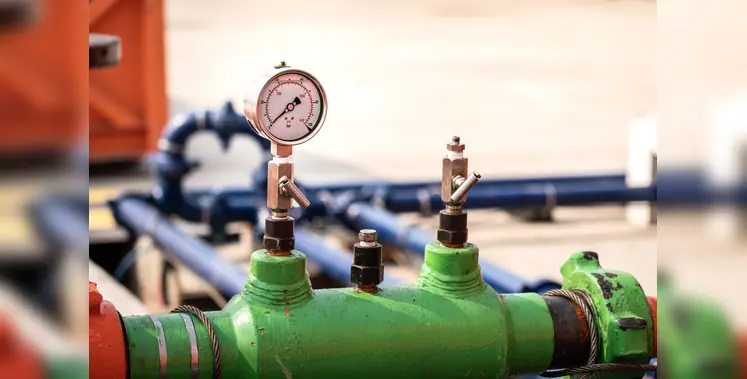
New log analysis from latest rock data has refined all previously disclosed results.
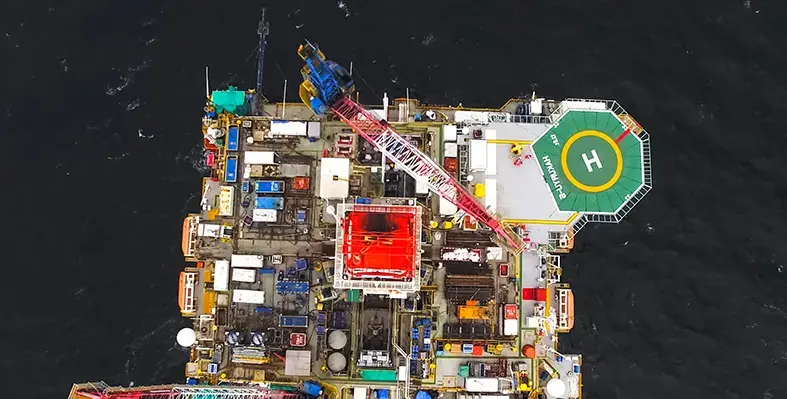
With regulatory permits for production testing secured and production liner procured from North America, work crews from Reconnaissance Energy Africa have prepared the Kavango West 1X discovery well in Namibia for testing operations
Equipment and services will be delivered on site by contracts with Halliburton and SLB, while local suppliers have been engaged in multiple support capacities.
New log analysis from latest rock data has refined all previously disclosed results. The current petrophysical analysis indicates 75 metres (246 feet) of net hydrocarbon pay in the Huttenberg formation, an increase over the previously disclosed 64 metres (210 feet).
ReconAfrica, which is the operator of Kavango West, will be conducting production testing across six optimized zones, three of which are in the Huttenberg formation and three in the deeper Elandshoek formation. A total of 345 metres (1,132 feet) of prospective interval will be isolated and perforated for testing.
In the shallow waters of Gabon, the company is currently reprocessing 3D seismic data across focused regions for appraisal prospects within the 1,214 sq km-long Ngulu block, including the Loba discovery.
This strategic block is located on trend to several sizable producing oil fields. The key aspects of the Ngulu block include the Loba oil discovery and over 28 seismically identified prospects in the pre- and post-salt plays.
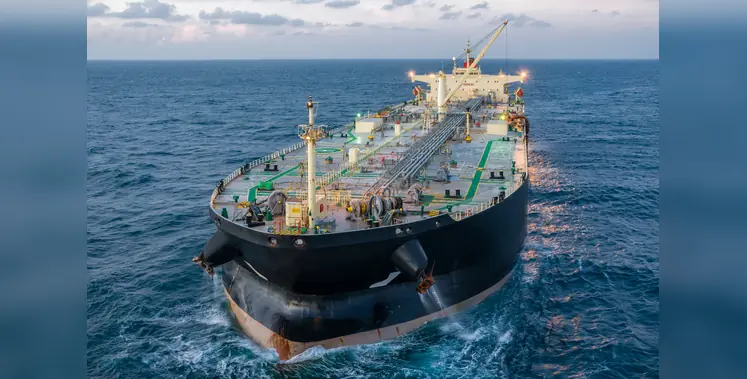
Most African economies are net importers of fuel and fertiliser.
The war involving Iran has moved from a geopolitical story to a supply chain shock -- and fast
At the centre of it all is the Strait of Hormuz. In normal times, roughly a quarter of global seaborne oil flows through that narrow channel. Today, it’s partially blocked, militarised and unpredictable. That matters more than most people realise, especially in Africa.
This is not just an oil story. Yes, oil is the headline. The International Energy Agency is already calling this the largest disruption in oil market history, with up to 30% of global oil flows affected. Prices are responding accordingly. Analysts are openly discussing US$150-US$200 per barrel scenarios if disruption persists into the next four to eight weeks.
But stopping at oil is missing the real risk. Because Hormuz doesn’t just move fuel. It moves, fertiliser, petrochemicals, plastics inputs and liquefied natural gas. And that’s where Africa gets hit hardest.
Across East and southern Africa, dependence on Middle Eastern supply chains is structural, not optional. Countries like Kenya, Tanzania, Ethiopia and Zambia are already implementing emergency measures, including subsidies and reserve releases. In parts of East Africa, over 50% of fertiliser imports come via these routes and globally, up to one-third of fertiliser trade moves through Hormuz.
And prices are moving fast; Urea prices are already up by 50% since the conflict began and fertiliser shortages are expected to impact planting cycles within weeks. That translates directly into higher food prices, lower yields and increased inflation. In economies where food already dominates household spend, that’s not a marginal issue. It’s systemic.
Fuel price shock hits logistics immediately
Diesel is the bloodstream of African logistics. As oil spikes, transport costs rise almost instantly. We can expect higher road freight tariffs, airline and shipping surcharges and margin compression across FMCG and retail
Shipping delays compound the problem
Major shipping lines have already rerouted vessels around the Cape of Good Hope, adding weeks to transit times. That means longer lead times, working capital pressure and more stockouts.
Fertiliser becomes the sleeper crisis
This is the one most executives will underestimate. Miss a planting window, and the impact shows up months later in food inflation, social pressure and currency weakness.
Secondary shortages begin to emerge and this is where it gets messy:
Plastics (packaging constraints)
Chemicals (manufacturing inputs)
Even pharmaceuticals
The supply chain doesn’t break in one place—it ripples. The brutal reality is that Africa is a price taker. Most African economies are net importers of fuel and fertiliser and are highly exposed to global shipping routes which means there is very little control, only response.
The difference between businesses that weather this disruption and those that don't will not be found in strategy decks. it will be found in the decisions made over the next two to four weeks. Lock in supply now, even at uncomfortable prices, because in volatile markets availability will always beat price.
Selectively build buffer stock across fuel, critical imported inputs, and high-margin SKUs. Working capital will sting, but stockouts will cost more. It is important to reroute early, explore alternative ports, different origin countries, and split shipments before the options narrow.
Reset contractual expectations with both customers and suppliers without delay, because what was considered late last month is fast becoming the new normal. Run at least three disruption scenario -- two weeks, six weeks, three months -- and tie each directly to pricing, inventory policy and customer communications. Finally, watch fertiliser and food input prices closely: even if the business sits outside agriculture, its customers do not, and the ripple effects on patterns are coming regardless. The window to act is open. It will not stay that way.
This is not a distant war -- it is a supply chain event with immediate commercial consequences. Should the Strait of Hormuz remain unstable for another month, Africa will not simply absorb higher prices; it will contend with slower trade, tighter margins, and rising food insecurity. The uncomfortable truth is that the businesses which act early will appear paranoid today -- and exceptionally well-positioned in 30 days.
The article has been written by Ronald Mlalazi, president, Africa Supply Chain Confederation
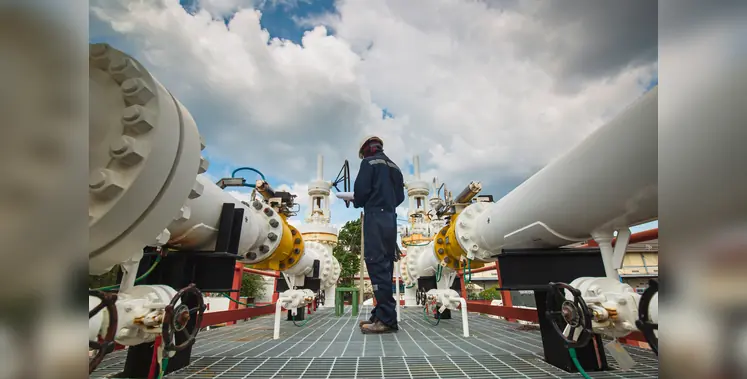
The BED facility will undergo maintenance shutdowns twice in 2026.
Liquids-rich development drilling and the ongoing waterflood programme in the Badr El Din (BED) concession has resulted in increased production levels from Egypt for Capricorn Energy's 2025 report at 20,024 barrels of oil equivalent per day, surpassing the year's guidance of 17000-21000 bopd
The new guidance for 2026 is hence set at 18000-22000 boepd, also driven by a forecast to generate 43% liquids. A four-rig drilling programme has been put in place throughout the year with a special focus on the liquids-rich area. It will also include activities on the gas-prone Bahariya target which was found last year. Operating costs for the year are anticipated around US$5-7 barrels of oil equivalent. The US$217mn collected from Egypt in 2025 will cover the funding for the sustainably designed drilling plan.
The BED facility will undergo maintenance shutdowns twice in the year.
The Egyptian General Petroleum Corporation and the Egyptian Cabinet have approved the merged concession agreement, with formal ratification expected within the first half of 2026.
"2025 was a year of significant operational, strategic and financial progress for Capricorn, marked by a number of milestones across our Egypt operations.
"In May we received approval from the Egyptian General Petroleum Corporation (EGPC) to consolidate eight of our existing Egyptian concession agreements into a single, merged concession agreement, unlocking significant fiscal and operational benefits which should allow us to extract additional value from our existing portfolio. The new agreement, anticipated to receive parliamentary ratification in H1 2026, secures access to an additional development lease area and two open exploration areas adjacent to our existing acreage. These additions supported a 20.2 mmboe increase of working interest (WI) 2P reserves (certified at year end), enhancing future development potential. The improved fiscal terms will drive increased investment and cash flow across a range of oil prices and at $80 per bbl our netback improves from $18 to $23 per boe. Furthermore, it includes a 60% increase in gas pricing for incremental volumes from both existing fields and new discoveries.
"Operations in Egypt delivered full year production of 20,024 boepd, exceeding the midpoint of 2025 guidance, supported by liquids-rich development drilling and the ongoing waterflood programme in the Badr El Din (BED) concession.
"Despite a volatile macroeconomic environment and fluctuating commodity prices, we collected $217m from Egypt, reducing the Company’s accounts receivable to $86m.
"Capricorn’s progress in 2025 provides a robust platform to build a cash-generative business. A key priority for 2026 will be accelerating development activities in the merged concession area.
"Our strategic priorities for the coming year are to maximise value from our Egyptian assets through disciplined investment, prioritise shareholder value, and continue to explore value-accretive opportunities, primarily in Egypt, with a secondary focus in the UK North Sea and the broader MENA region," said Randy Neely, the chief executive of Capricorn Energy.

The company's outlook in Egypt for 2026 is set around 1,200 to 1,450 bopd,.
An energy operator in Egypt, Pharos Energy, has recorded around 1,303 barrels of oil equivalent from the region for the year ended 31 December 2025
The company's outlook in Egypt for 2026 is set around 1,200 to 1,450 bopd, as Group working interest production guidance increased from 2025 to 5,200 - 6,400 boepd net.
The company has also secured approval in September from EGPC Executive Board for the consolidated Concession Agreement with improved fiscal terms. The consolidated Concession Agreement comes with a committed work programme under which two wells are included and multiple targets have been identified. This follows the completion of 3D seismic data processing and interpretation from North Beni Suef (NBS).
A second rig has been contracted for North Beni Suef work, alongside a seperate rig for El Fayum. A work programme with a planned budget for six wells have been approved with preparations for implementation underway, and drilling of first well is set to begin shortly.
Parliamentary ratification of the consolidated Concession Agreement expected later in 2026; 5 October 2025 retroactive date applies.
"In Egypt, we were pleased to receive approval from EGPC for the consolidation of our two existing concessions, delivering an immediate uplift in value with 20-year lease extensions and improved fiscal terms. I am delighted that our receivable balance is now at its lowest level since December 2021 at $6.1m, due to the $20 million payment received from EGPC in December, doubling our year end cash balance," said Katherine Roe, chief executive officer, Pharos Energy.
The US$2.5bn plant is expected to become operational from 2029.
In a significant China-Africa trade collaboration, Dangote Industries Limited has signed a US$4.2bn, 25‑year natural gas supply agreement with China’s GCL Group to drive its upcoming fertiliser complex in Ethiopia
Signed in Lagos, the agreement applies for GCL to supply natural gas from Ethiopia’s Calub Gas Field in the Ogaden Basin via a dedicated 108‑kilometre pipeline for the fertiliser facility set to be established in Gode, Somali Region.
Developed along with Ethiopian Investment Holdings, the US$2.5bn plant is expected to become operational from 2029. Following commissioning, the facility will be equipped to produce three million tonnes of urea annually. It will be the largest fertiliser hub in East Africa, capable of covering not only Ethiopia’s import demand but also supply to neighbouring markets.
Calling the deal transformative, Aliko Dangote, president of Dangote Industries, said, “Africa’s energy industry cannot continue indefinitely exporting raw materials while importing finished products.
“Through seamless integration and strategic cooperation with GCL, we will achieve an efficient closed‑loop value chain from natural gas extraction to fertiliser production.”
“This cooperation will expand new frontiers in Ethiopia’s energy, chemical, and food security sectors while transitioning toward a mutually beneficial ecosystem‑based framework,” said GCL Chairman Zhu Gongshan.
The project carries a lot of strategic significance in terms of employment generation, infrastructure advancement, and alignment with global low‑carbon goals.
Africa's LNG ambitions are being tested by global turbulence.
Africa’s oil and gas sector is entering a period of accelerated transformation
The continent’s upstream potential, midstream ambitions and downstream vulnerabilities are all being reshaped by a global environment defined by geopolitical tensions, shipping disruptions, sanctions and shifting investment flows. These pressures are forcing African producers, national oil companies (NOCs), and policymakers to rethink strategy, timelines and risk management.
While Africa remains central to global energy security, the path forward is no longer linear. The continent’s energy landscape is evolving — and the pace of change is being set as much by global turbulence as by domestic policy choices.
New frontiers, new pressures
Africa’s upstream sector is experiencing both renewal and recalibration.
New frontiers are emerging as Namibia’s offshore discoveries continue to attract global attention. Ivory Coast's Baleine field is reshaping West Africa’s exploration map, and Uganda’s Lake Albert development is progressing toward first oil.
Traditional producers, however, are facing structural pressures. Nigeria continues to struggle with pipeline insecurity and feedgas constraints. Angola is restructuring Sonangol and revising its licensing strategy. Mature basins across North Africa require reinvestment to maintain output.
Geopolitical tensions have also altered investor behaviour. Sanctions, supply chain delays and financing constraints have made upstream investment more cautious, with international oil companies (IOCs) prioritising lower risk and faster cycle assets. This trend is visible in the shift toward short‑cycle offshore projects in West and southern Africa, and the cautious approach to long‑led developments in East and southern Africa. This has elevated the role of African NOCs, many of which are undergoing commercialisation reforms to attract capital and improve operational efficiency.
Regional integration challenges
Africa’s midstream infrastructure — pipelines, storage, and transport networks — is increasingly exposed to global and regional disruptions.
Pipeline vulnerabilities remain a major constraint. The Niger–Benin pipeline has faced security and political uncertainty. Nigeria’s pipeline network continues to suffer from vandalism and theft. Chad-Cameroon pipeline operations have been affected by governance disputes.
Meanwhile, regional midstream ambitions are advancing but unevenly. The East African Crude Oil Pipeline (EACOP) remains a flagship project but faces financing and environmental scrutiny even as it progresses. The West African Gas Pipeline continues to struggle with reliability issues. The TransSaharan Gas Pipeline remains aspirational amid security concerns.
Geopolitical tensions have also disrupted traditional shipping routes. Some carriers have begun rerouting cargoes toward East African ports, including Kenya, as part of broader adjustments to avoid Red Sea insecurity. While still evolving, these shifts highlight Africa’s growing role as both a transit and destination market in a fragmented global logistics environment.
Refining gaps and market fragility
Africa’s downstream sector remains structurally vulnerable. The continent imports a significant share of its refined petroleum products, leaving domestic markets exposed to global price volatility and supply disruptions.
The closure of several South African refineries has increased import dependence. The Dangote Refinery in Nigeria is expected to reshape regional product flows once fully operational. Uganda, Angola and Senegal are pursuing new or upgraded refining capacity to reduce import reliance.
Global geopolitical tensions — including sanctions, shipping disruptions, and insurance volatility — have amplified downstream fragility. Countries with limited storage capacity or heavy reliance on imported diesel and petrol have faced periodic supply tightness and pricing pressure.
LNG opportunity under stress
Gas remains Africa’s most promising transition fuel, but the continent’s LNG ambitions are being tested by global turbulence. Mozambique LNG remains delayed due to security concerns and cost escalation. Senegal–Mauritania’s GTA project has experienced timeline adjustments. Tanzania’s LNG negotiations have regained momentum after years of stagnation. Nigeria LNG faces feed-gas constraints and maintenance backlogs.
Global shipping insecurity — particularly in the Red Sea and Suez Canal — has increased voyage times, insurance premiums and charter rates. Some LNG and petroleum cargoes have been rerouted around the Cape of Good Hope, adding significant cost and delay. These pressures complicate Africa’s efforts to position itself as a reliable LNG supplier in a competitive global market.
NOCs at a crossroads
National oil companies are becoming more central to Africa’s energy future as IOCs rebalance portfolios.
Nigerian National Petroleum Company Limited has taken major commercialisation efforts in Nigeria. Sonangol is restructuring and divesting asset in Angola. Ghana National Petroleum Corporation has expanded its role in Ghana’s upstream sector. ENH (Mozambique) and the National Hydrocarbons Corporation of Cameroon are navigating complex LNG and gas monetisation strategies.
NOCs are facing the dual challenge of delivering national energy security and revenue stability, and competing for capital in a world increasingly shaped by ESG pressures and geopolitical risk. Their ability to modernise governance, improve transparency and manage complex partnerships will determine the pace of Africa’s energy transformation.
The new risk landscape
Africa’s oil and gas sector must now operate within a risk environment defined by:
- Shipping insecurity and rerouting pressures
- Supplychain fragmentation and equipment delays
- Sanctions exposure affecting financing and trade
- Insurance volatility, including rising warrisk premiums
- EPC delays and cost overruns
- Contractual disputes, including force majeure and hardship claims
- Financing constraints as lenders reassess geopolitical risk
These risks are not temporary. They represent a structural shift in how global energy markets function — and African producers ought to adapt accordingly.
Shift in strategies
Africa remains central to global oil and gas supply, with vast reserves, growing domestic demand, and strategic geographic positioning. But the continent’s energy future will depend on its ability to navigate a world where geopolitical tensions, shipping disruptions and investment realignments are the new normal. This will require stronger regional cooperation, diversified supply chains, modernised NOCs, increased private sector involvement, resilient midstream infrastructure and flexible commercial strategies.
Africa’s energy landscape is evolving — and those who adapt early will shape the continent’s next chapter.
The article has been written by Elijah Paul RukidiMpuuga, FCIArb (UK), founder and principal, Equitas Dispute Resolution Group
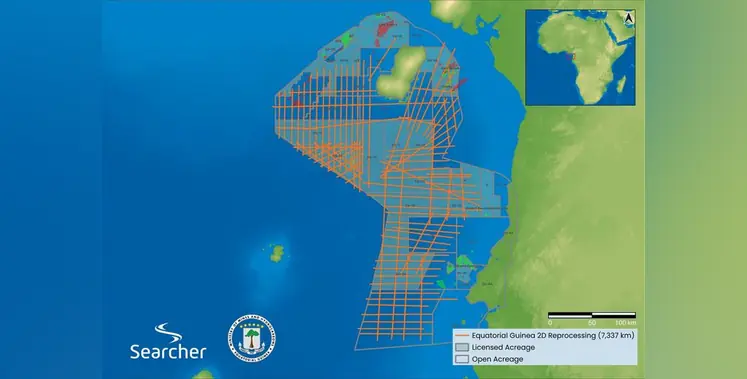
The 7,337 km of data will help de-risk exploration efforts. (Image source: Searcher)
Working closely with the Equatorial Guinea government's Ministry of Mines and Hydrocarbons, Searcher has completed a high-resolution offshore seismic reprocessing project ahead of the EG Ronda 2026 licensing round in April
The Ministry of Mines and Hydrocarbons will be leveraging 7,337 km of data from the project to de-risk exploration efforts so that the region's energy sector can be revitalised with new investments and discoveries.
To ensure utmost clarity, the legacy datasets acquired from the project are intercepted using broadband technologies such as Pre-Stack Depth Migration (PSDM) and Full Waveform Inversion (FWI). Companies can expect actionable insights into hydrocarbon systems and potential reservoirs from detailed imagings that unlock complex geological structures.This will make strategic planning in selecting promising prospects easy for clients as they can take control of their decisions awithout having to deal with exploration uncertainty.
Searcher’s managing director, Alan Hopping, claims that the project is a first of its kind in Equatorial Guinea, ensuring clarity and resolution that are potential of fundamentally changing the country's offshore exploration scene. “Our close cooperation with the Ministry of Mines and Hydrocarbons was key to delivering a resource that supports the country’s ambitions and empowers the industry to unlock new opportunities,” he said.



The company's outlook in Egypt for 2026 is set around 1,200 to 1,450 bopd,.
An energy operator in Egypt, Pharos Energy, has recorded around 1,303 barrels of oil equivalent from the region for the year ended 31 December 2025
The company's outlook in Egypt for 2026 is set around 1,200 to 1,450 bopd, as Group working interest production guidance increased from 2025 to 5,200 - 6,400 boepd net.
The company has also secured approval in September from EGPC Executive Board for the consolidated Concession Agreement with improved fiscal terms. The consolidated Concession Agreement comes with a committed work programme under which two wells are included and multiple targets have been identified. This follows the completion of 3D seismic data processing and interpretation from North Beni Suef (NBS).
A second rig has been contracted for North Beni Suef work, alongside a seperate rig for El Fayum. A work programme with a planned budget for six wells have been approved with preparations for implementation underway, and drilling of first well is set to begin shortly.
Parliamentary ratification of the consolidated Concession Agreement expected later in 2026; 5 October 2025 retroactive date applies.
"In Egypt, we were pleased to receive approval from EGPC for the consolidation of our two existing concessions, delivering an immediate uplift in value with 20-year lease extensions and improved fiscal terms. I am delighted that our receivable balance is now at its lowest level since December 2021 at $6.1m, due to the $20 million payment received from EGPC in December, doubling our year end cash balance," said Katherine Roe, chief executive officer, Pharos Energy.
Most African economies are net importers of fuel and fertiliser.
The BED facility will undergo maintenance shutdowns twice in 2026.
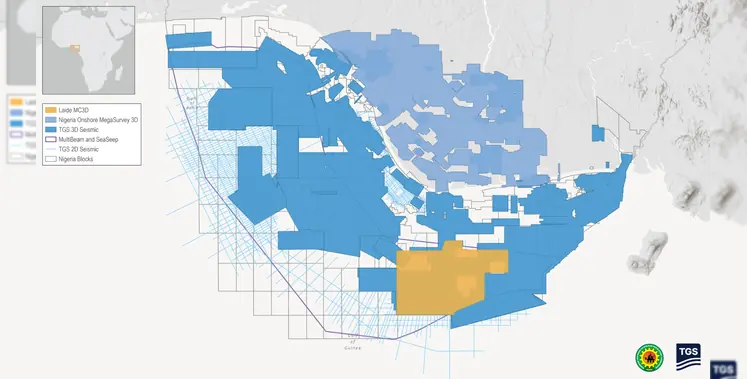
The Nigeria Laide multi-client 3D survey. (Image source: TGS)
As Nigeria continues to build its domestic industry to attract global investors, seismic surveys remain an integral part of the process
The latest research comes from the eastern Niger Delta, which is considered one of the country's most prolific hydrocarbon regions, covering approximately 11,700 sq kms. The Nigerian Upstream Petroleum Regulatory Commission has partnered with TGS and SeaSeis Geophysical Limited to announce the Nigeria Laide multi-client 3D survey, which focuses within the outer fold and thrust belt of the deepwater eastern Niger Delta. This area is marked with complex geological challenges such as stacked toe-thrust structures, elongate anticlines (e.g. Bolia–Chota), inner fold-and-thrust-belt geometries, and shale diapirs/mud volcanoes.
These are addressed with the help of GeoStreamer dual-sensor system, long offsets, wide tow, and a triple-source configuration that are capable of generating modern broadband seismic data to support full-integrity PSTM and Q-PSDM through advanced Elastic FWI-driven velocity model building. This makes it easy for operators and explorers to finalise the next steps based on precisely acquired insights from otherwise inaccessible and challenging zones.
"Nigeria continues to play a crucial role in the global supply of oil and gas. The expansion of our multi-client library in Nigeria in partnership with the government through the Laide 3D showcases our commitment to furthering hydrocarbon exploration in the region. By utilising industry-trusted acquisition solutions, TGS provides insights that accelerate exploration activity and allow operators to fulfil their exploration ambitions," said Kristian Johansen, CEO of TGS.
The modern, high-fidelity Nigeria Laide multi-client 3D survey is backed by industry funding, and comes soon after a survey in the western Niger Delta Basin that was announced by Shearwater last December.
The 7,337 km of data will help de-risk exploration efforts. (Image source: Searcher)
The complete dataset will be available for licensing from Q2 2026. (Image source: Metatek)
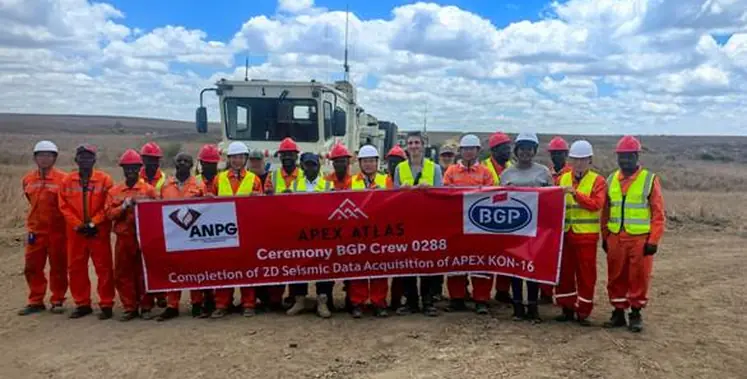
The project was executed to a very high standard. (Image source: Corcel)
Corcel Plc has reported excellent data quality from initial internal review following the acquisition of 2D seismic at the operated KON-16 Block, within the Kwanza Basin onshore Angola
"The project was executed without incident, to a very high standard, and the initial results are incredibly encouraging," said Richard Lane, Corcel's chief operating officer while calling the programme a "milestone" as it came as part of the company's fist operated exploration and production project.
Delivered on schedule, the 326-line kms of high resolution 2D seismic data provided clear imaging of key pre‑salt structures, implying an opportunity to de-risk several pre-salt and post-salt zones before initiating drilling within KON-16. Prospect maturation and drilling preparation will be determined by results from the year-long seismic processing that has been specifically designed with the region's high-graded pre salt indications in mind.
Corcel's aim to crack KON-16's complex pre-salt plays is exactly where DUG Technology's imaging expertise lies in. The geophysical processing specialist will be undertaking the project, ensuring the KON‑16 dataset is processed to the highest technical standard.
The acquisition programme was largely supported by BGP INC, China National Petroleum Corporation and its local subsidiary.
New log analysis from latest rock data has refined all previously disclosed results.
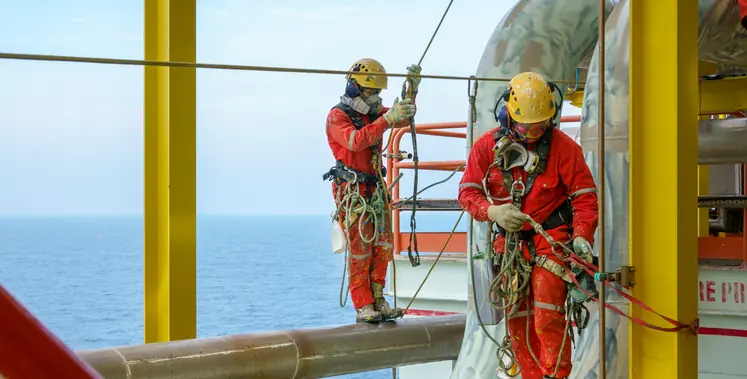
The company will be conducting testing and commissioning activities.

The partnership will establish the country's stronghold on its natural resources.
Equatorial Guinea's national oil company, GEPetrol, has secured a heads of agreement (HoA) with American oil major, Chevron, pushing its stake in Block I's Aseng Gas Project from 5% to a whopping 32.55%
This means a big break for the country, which came following months of negotiation since the Vice President, Teodoro Nguema Obiang Mangue's visit to the United States last year.
The partnership will go a long way in well establishing the country's stronghold on its natural resources, and leveraging Aseng output, as the single field is potential of determining several downstream and upstream developments under the Extended Gas Mega Hub initiative. Alongside big projects like Alen Tail and Yoyo-Yolanda, it also unlocks access for GEPetrol in Chevron-operated blocks and potential cross-border gas flows through Gulf of Guinea pipeline infrastructure.
The agreement further ensures for GEPetrol long-term gas supply to the Punta Europa complex that will help sustain existing LNG and processing infrastructure by improving cost efficiency and reducing stranded gas. As a gas monetisation hub, this will give the Equatorial Guinea an extra edge in the global commodities market, where LNG demand continues to gain prominence.
“This agreement represents a strategic step forward for our energy sector, enhancing national participation and opening the door for further projects that will drive industrial development, create jobs and strengthen energy security for our country and the region,” said Antonio Oburu Ondo, Minister of Hydrocarbons and Mining Development of Equatorial Guinea, following the signing of the agreement at the People’s Palace in Malabo, where senior government officials, Chevron executives and the United States Ambassador were also present.
The collaboration shows Chevron's reliance on Equatorial Guinea's oil and gas industry as well as its willingness for regional integration. The major is ready to support maximum state participation, with a greater emphasis on capacity building, knowledge transfer and local workforce development, to establish mutual opportunities from the country's broader Gas Mega Hub. This also reflects Equatorial Guinea's investors-friendly policies, which are adaptive to flexible financial solutions.
Alongside Aseng-operator, Chevron, and GEPetrol, the project also includes Glencore and Gunvor.
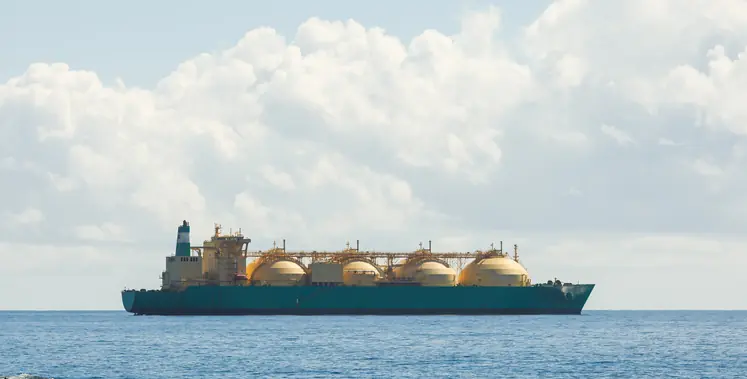
Coral Norte will be an enhanced replica of the Coral Sul project.
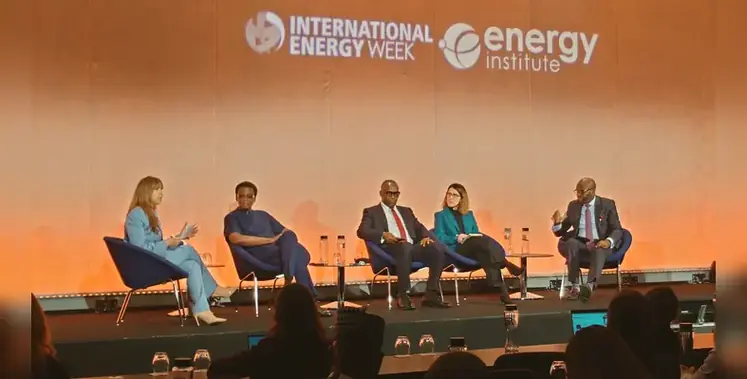
The panel's theme was 'Africa's energy transition on African terms'.
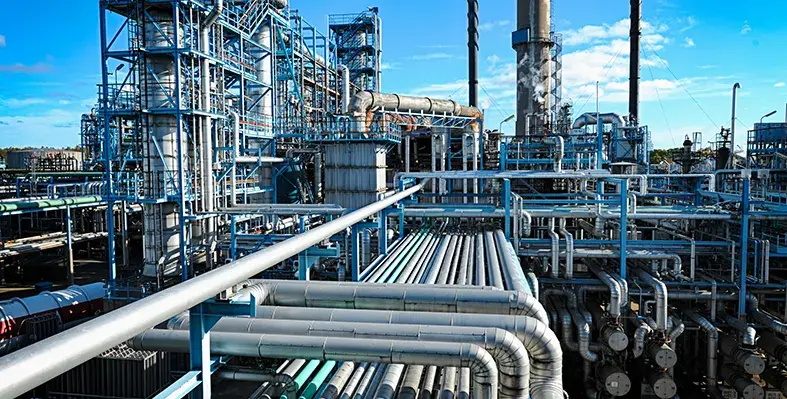
The refinery will revitalise Ghana's downstream petroleum sector.
The Terna Oil Refinery has resumed crude oil refining operations after several years of inactivity
This follows the three-month execution of major turnaround maintenance (TAM) works on the Crude Distillation Unit (CDU). The work was backed by international engineering, safety, and operational standards.
The TAM work was followed by a comprehensive regulatory inspection from the National Petroleum Authority (NPA) and clearance for the resumption of refining activities. This marked the beginning of refining operations, with an entire line of petroleum products going to storage for the first time in a while.
With the refinery's official recommissioning and a phased transition planned toward attaining full operational capacity, TOR will currently focus in stabilising systems, optimising performance, and ensuring sustained operational reliability. The project will have a significant contribution in the revitalisation of Ghana's downstream petroleum sector.
In addition, TOR has completed the installation of a new furnace, F-61, which will soon be commissioned and integrated into the CDU. This critical upgrade will enable the refinery to restore its original nameplate capacity of 45,000 barrels per stream day (bpsd), up from the current operating level of 28,000 bpsd, with a clear strategic pathway to expand the capacity to 60,000 bpsd in the medium tenn, following the installation of a new Air-Cooler.
The Government of Ghana will formally commission and tie-in the F-61 furnace at a later date.
The Minister for Energy and Green Transition, John Abdulai Jinapor (MP), has played a major role in this development with his dedication, technical oversight and policy leadership.
The US$2.5bn plant is expected to become operational from 2029.
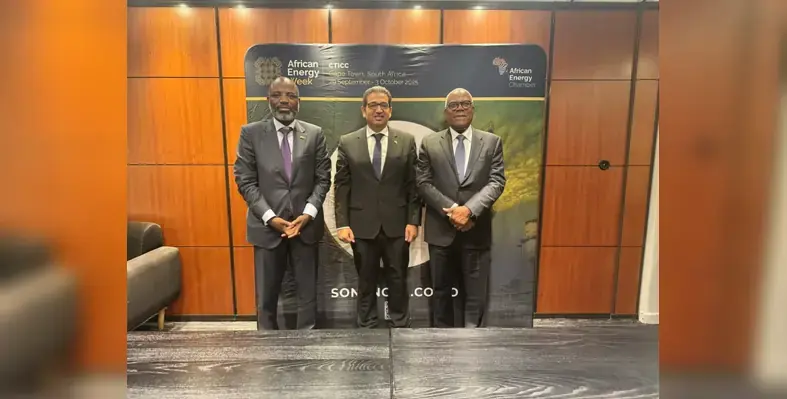
Afreximbank has framed a US$1.75bn facility for Sonangol. (Image source: Afreximbank)
Christopher Hudson, President of dmg events. (Image source: dmg events)
Oil Review Africa catches up with Christopher Hudson, President of dmg events, ahead of ADIPEC 2025
Excerpts from an interview:
Energy across Africa, as elsewhere in the world, is seeing major shifts and advancements. How does ADIPEC 2025 reflect this changing industry landscape and help meet the needs?
Energy is one of the most dynamic and rapidly evolving sectors. According to the International Energy Agency (IEA), global energy demand rose by 2.2% last year, outpacing the average annual increase of 1.3% recorded over the last decade. At the same time, the global population is projected to reach 9.8 billion by 2050, with over 750 million people still lacking access to electricity, and more than 2.1 billion people remain without access to clean cooking. Rising urbanisation and living standards are reshaping energy demand, with air conditioning alone expected to be one of the largest contributors to electricity demand growth in the coming decades. This reveals the sector’s increasing need to not only produce more energy but to produce it in a way that is equitable and sustainable.
In this context, ADIPEC 2025 is being held under the theme of ‘Energy. Intelligence. Impact’. It reflects a simple but powerful truth: meeting the world’s growing need for secure, affordable and sustainable energy will depend on how intelligently we harness every resource – human, technological and natural – to deliver meaningful results for economies and communities alike.
At its core, the theme recognises that intelligence – both human and artificial – is transforming the way energy is produced, managed, and consumed. From AI-driven optimisation and digital integration to advances in hydrogen, LNG, and decarbonisation, intelligent innovation is reshaping the global energy landscape. ADIPEC serves as the meeting point for these forces, where ideas translate into action and impact can be measured in investment, policy, and progress.
AI is a major topic of discussion in the context of energy, due to its high demand. How is ADIPEC responding to the challenges and opportunities of the AI-energy nexus?
Artificial intelligence is reshaping both global energy demand and the industry’s ability to respond. Data centres already consume around 1.5% of global electricity, and with AI workloads, that demand could more than double by 2030, rising from 415 TWh to 945 TWh. A single advanced AI model can require as much electricity to train as 100 households use in a year, while an AI query may consume 10 times more energy than a standard search.
This convergence is both a challenge and an opportunity. AI requires enormous energy, but it can also optimise grids, cut waste, improve operational efficiency, and accelerate decarbonisation. At ADIPEC 2025, we have expanded our AI Zone into five experiential areas showcasing how AI is transforming systems, people, and infrastructure. Alongside this, more than 80 conference sessions are dedicated to the AI–energy nexus, from predictive analytics to governance frameworks.
For Africa, this is particularly significant. Many countries are rapidly digitalising while also expanding power systems. The ability of AI to enhance reliability and reduce costs could be transformative for energy access and economic growth.
How is the diversity of the African continent and its vast energy sector reflected across ADIPEC 2025’s programme?
Africa is a core part of ADIPEC’s community. This year, we are proud to welcome a strong delegation of African ministers and leaders, including those from Nigeria, Kenya, Uganda, Sierra Leone, Zimbabwe, Gambia, Equatorial Guinea, and Egypt. Their participation enriches ADIPEC’s Strategic Conference and exhibitions, ensuring Africa’s perspectives are reflected in discussions on natural gas, hydrogen, downstream, and low-carbon solutions.
dmg events is also the largest organiser of energy and infrastructure events across Africa, with long-standing operations in Nigeria, Mozambique, Kenya, Ethiopia, Ghana, Tanzania, South Africa, Egypt and Morocco. This presence gives us a unique vantage point to bridge African priorities with global dialogue.
Africa holds some of the world’s largest reserves of natural gas, oil, and minerals, as well as enormous potential in renewables. ADIPEC is committed to supporting this potential by convening African voices alongside global leaders, unlocking partnerships that can expand access, accelerate industrialisation, and strengthen Africa’s contribution to global energy progress.
Some of ADIPEC 2025’s notable African speakers include: Honourable J. Opiyo Wandayi, Cabinet Secretary for Energy and Petroleum, Kenya; Honourable Sen. Dr. Heineken Lokpobiri, Minister for State (Oil), Petroleum Resources, Nigeria; Rt. Honourable Ekperikpe Ekpo, Minister for State (Gas) Petroleum Resources, Nigeria; Honourable Chief Adebayo Adelabu, Minister of Power, Nigeria; Honourable Julius D. Mattai, Minister of Mines and Mineral Resources, Republic of Sierra Leone; Honourable Ruth Nankabirwa Ssentamu, Minister of Energy and Mineral Development, Uganda; His Excellency Karim Badawi, Minister of Petroleum and Mineral Resources, Arab Republic of Egypt; His Excellency Antonio Oburu Ondo, Minister of Mines and Hydrocarbons, Equatorial Guinea, Honorable Julius D. Mattai, Minister of Mines and Mineral Resources, Republic of Sierra Leonne; Honourable July Moyo, Minister of Energy and Power Development, Zimbabwe; His Excellency Nani Juwara, Minister of Petroleum and Energy, Gambia; Honourable Cheikh Niane, Deputy Minister of Petroleum and Energy, Senegal, and Mathias Katamba, board chairman, Uganda National Oil Company.
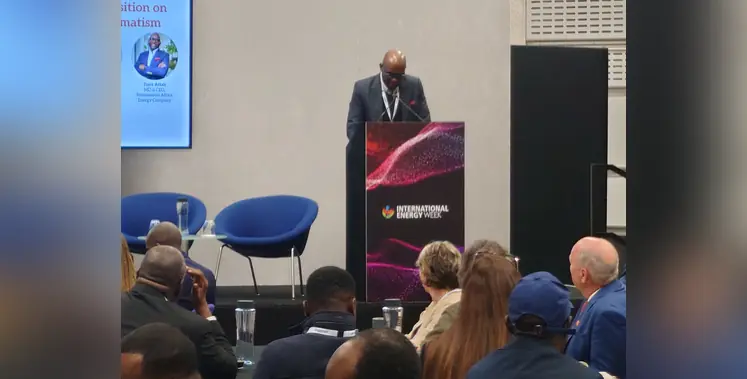
Tony Attah, managing director and chief executive officer, Renaissance Africa Energy Company. (Image source: Alain Charles Publishing)
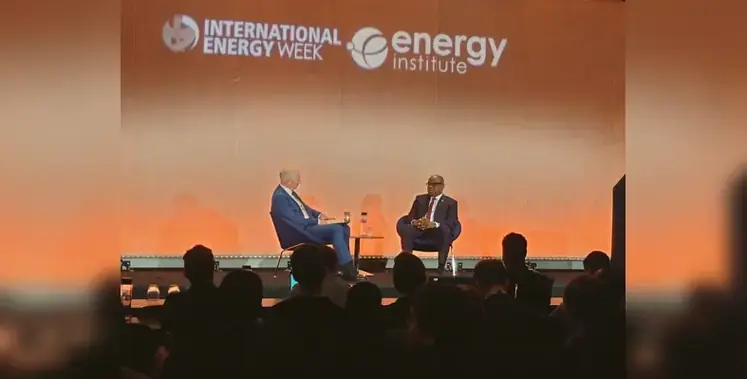
NNPC is reviewing its portfolio.
Most Read
-
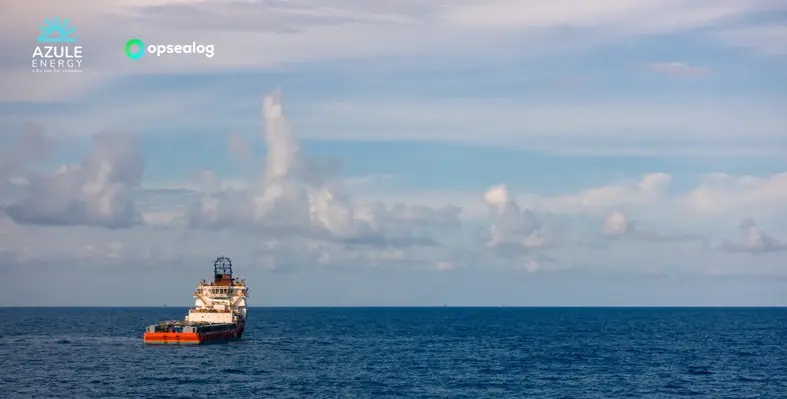
The project could reduce the fleet’s GHG emissions by up to 10%. (Image source: Opsealog)
-

The two-month survey will be conducted early 2025. (Image source: Adobe Stock)
-
There is a potential for an uptick in E&A drilling activity. (Image source: Westwood)
-
63 wells in Tilenga and 9 in Kingfisher have been drilled. (Image source: Adobe Stock)
-
The project will be implemented in two phases. (Image source: AFC)
-
The Olo and Olo West Fields were formerly part of OML 58. (Image source: Adobe Stock)
-
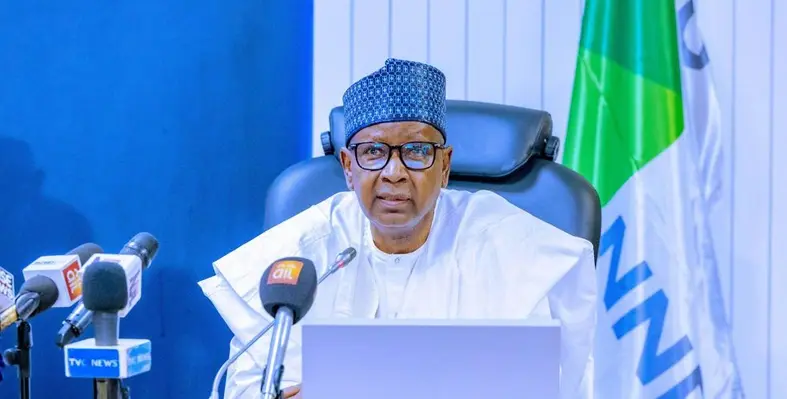
Umar Ajiya, chief financial officer, NNPC. (Image source: NNPC)
-

The enlarged Africa Oil is expected to have significant scale. (Image source: Adobe Stock)
-
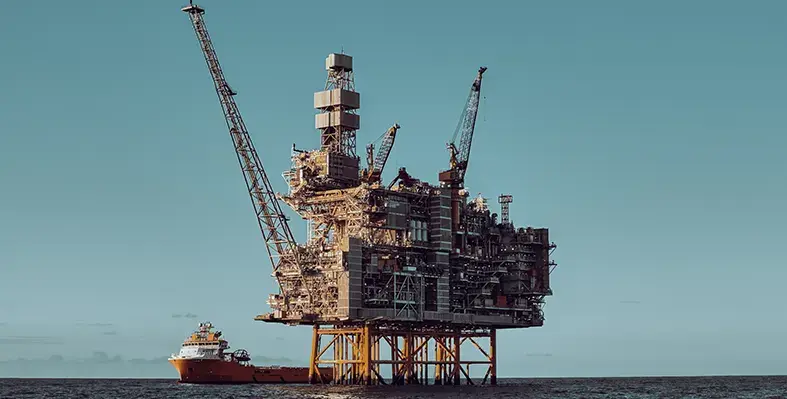
The well was spudded last November. (Image source: Adobe Stock)
-
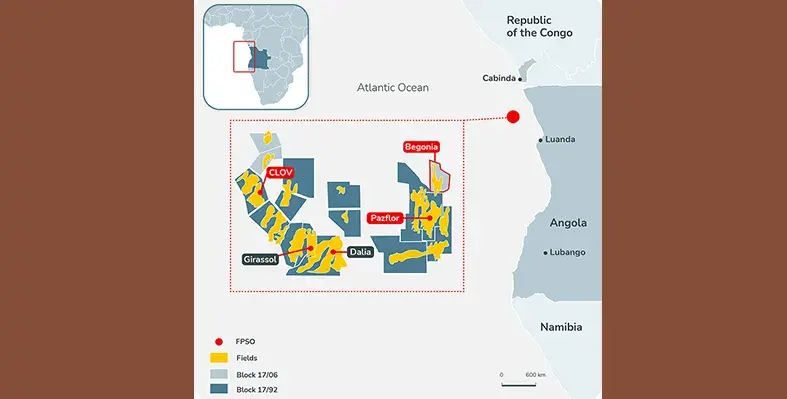
The two subsea tie-back projects will deliver additional production. (Image source: TotalEnergies)
-
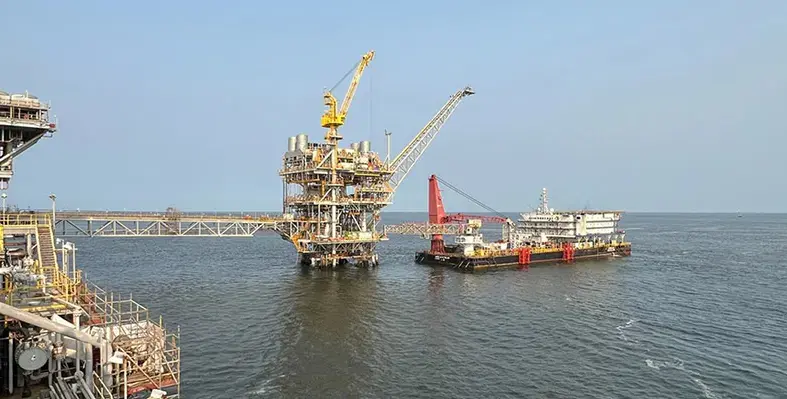
Sanha Lean Gas Connection is a project by Cabinda Gulf Oil Company Limited. (Image source: Chevron)
-
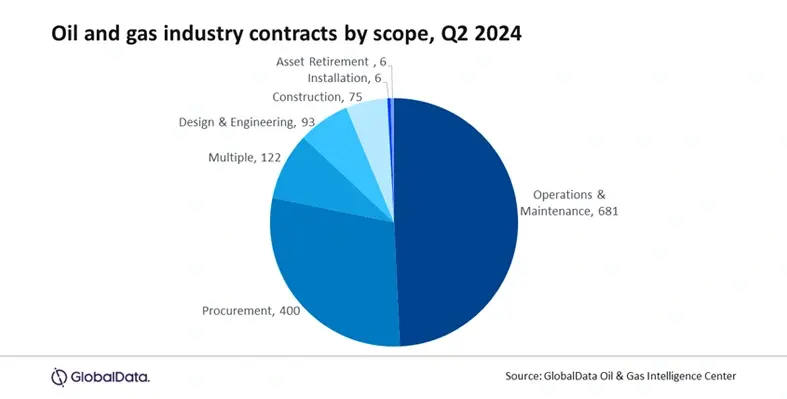
Contracts with multiple scopes accounted for 9%. (Image source: GlobalData)
-
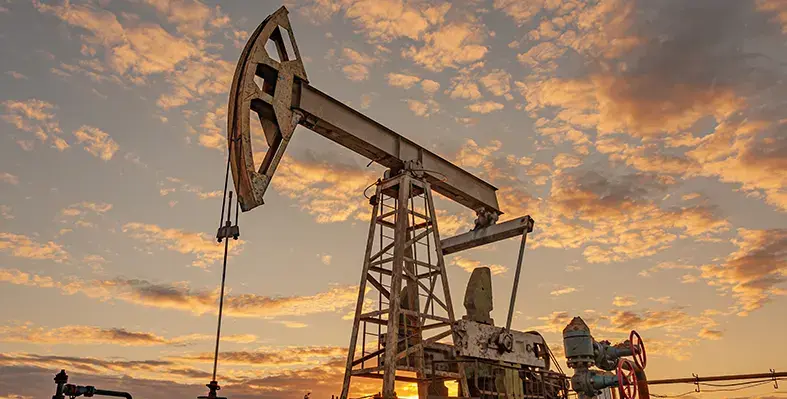
Initial results from drilling and logging the Begonia-2 appraisal well are successful.
-
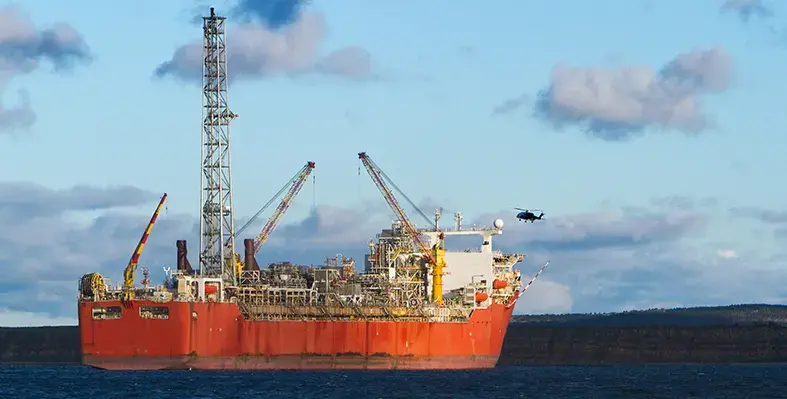
The Agogo project involves the development of Agogo and Ndungu fields.
- Details
-
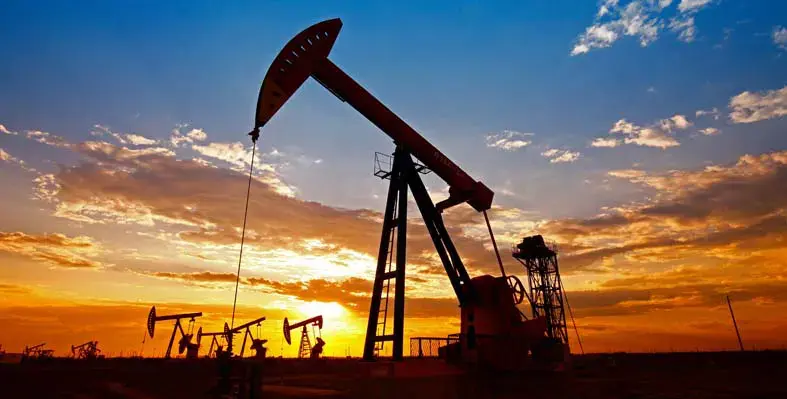
ANPG is inviting companies to participate in the upcoming licensing round. (Image source: Adobe Stock)
-
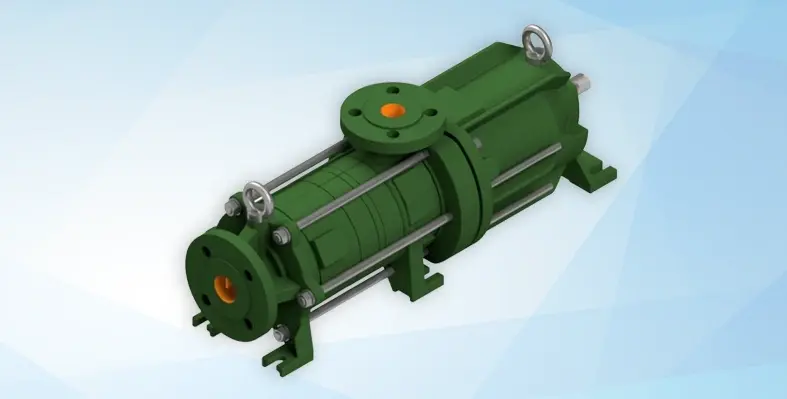
The pump is ideally suited for applications with limited suction head. (Image source: Michael Smith Engineers)
-
The Cabinda Refinery aims to double capacity to 60,000 bpd. (Image source: Adobe Stock)
-
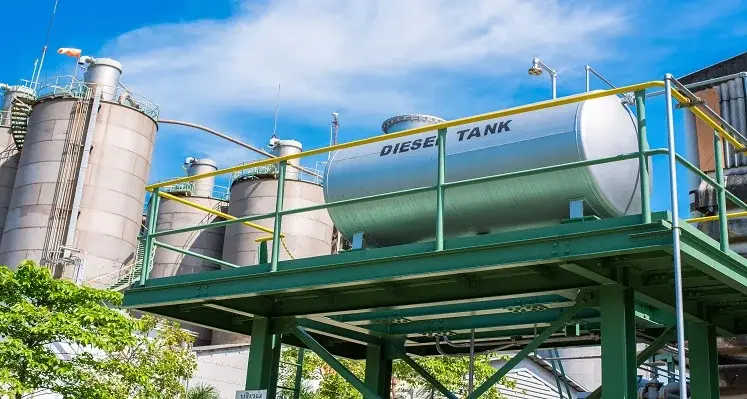
Independent Petroleum Marketers Association of Nigeria will acquire diesel at US$0.96 per l. (Image source: Adobe Stock)
-
The onshore-focused NAOC is also involved in Nigeria's power generation industry. (Image source: Adobe Stock)

Latest News
-
Most African economies are net importers of fuel and fertiliser.
-
New log analysis from latest rock data has refined all previously disclosed results.
-
The BED facility will undergo maintenance shutdowns twice in 2026.
-
The company's outlook in Egypt for 2026 is set around 1,200 to 1,450 bopd,.
-
The US$2.5bn plant is expected to become operational from 2029.
-
Africa's LNG ambitions are being tested by global turbulence.
-
The 7,337 km of data will help de-risk exploration efforts. (Image source: Searcher)
-
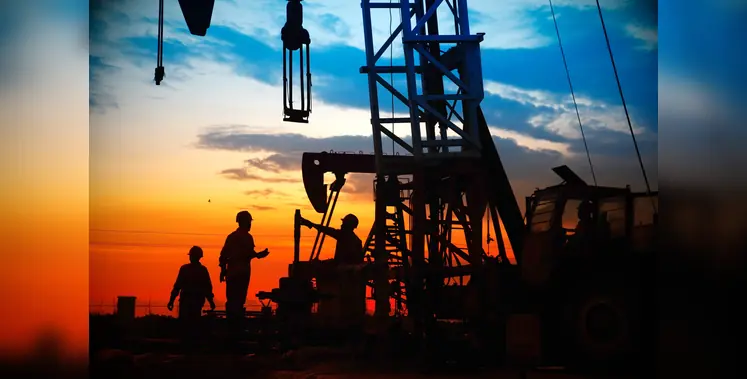
Sonangol is operator of Blocks 3/05 and 3/05A.
-

Partners will reprocess 3D seismic data in PEL87.
-
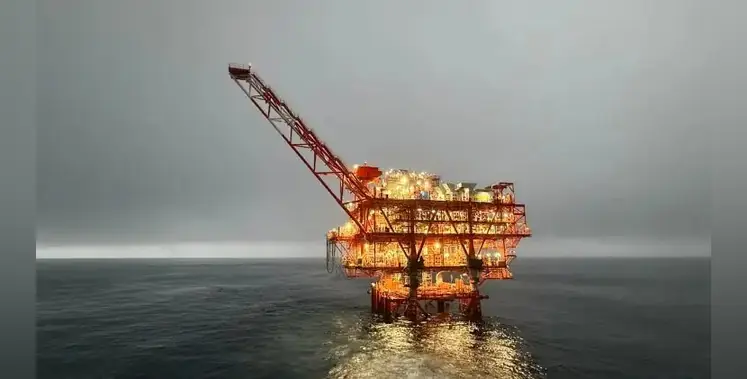
The NGC project is driven by gas produced offshore Quiluma field. (Image source: bp)
-

The ultra-deepwater drillship, Sonangol Quenguela, will continue to operate in Angola.
-
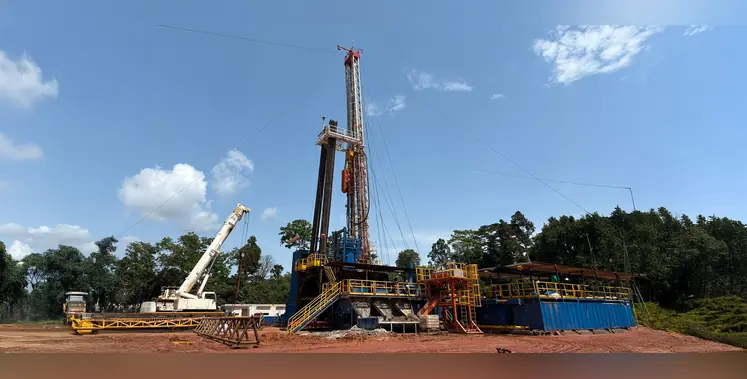
Both of the Magoga wells drilled the full reservoir interval. (Image source: Assala)
-
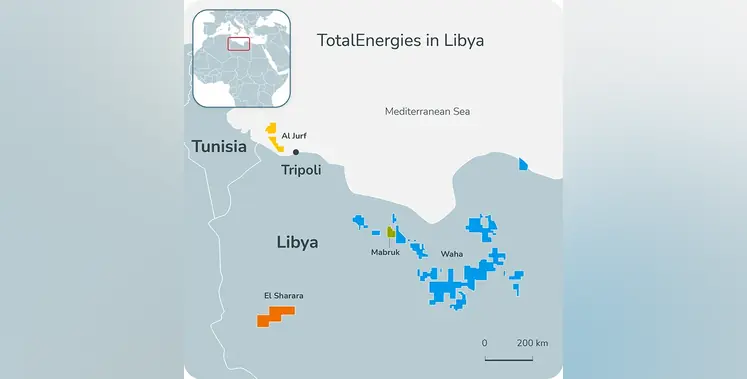
This start-up comes after 16 years. (Image source: TotalEnergies)
-
The complete dataset will be available for licensing from Q2 2026. (Image source: Metatek)
-
The target zone was water bearing.
-

The agreement will considerably push Nigeria's deepwater development.
-

Africa’s energy systems are deeply interconnected with global markets.
-
The company will be conducting testing and commissioning activities.
-
Coral Norte will be an enhanced replica of the Coral Sul project.
-
The project was executed to a very high standard. (Image source: Corcel)
More Articles
New log analysis from latest rock data has refined all previously disclosed results.
The company will be conducting testing and commissioning activities.
The project was executed to a very high standard. (Image source: Corcel)
TEN field's total production count for 2025 is 16.0 kbopd.
The campaign will also cover drilling three wells.
Kombi 2 is designed to meet global sustainability standards.
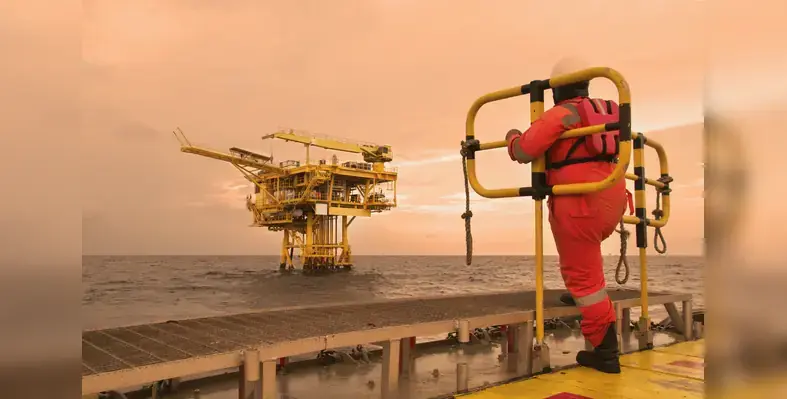
A down-hole electrical submersible pump will be installed.
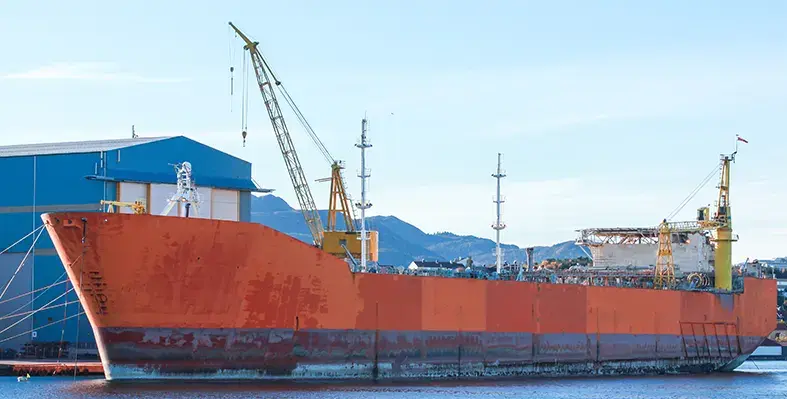
The mooring system for the FSO is currently being installed.
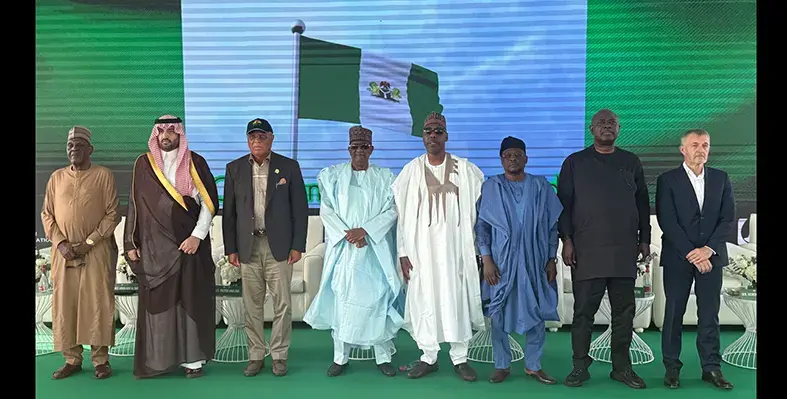
This development was marked during the sail away ceremony organised by the company. (Image source: Drydocks)
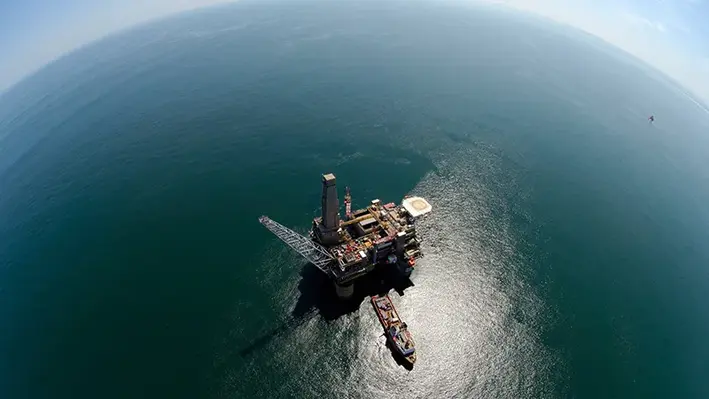
The company will deploy technologies integrated with LOGIX automation. (Image source: Halliburton)
The Begonia field is located in Block 17/06, approximately 150 kilometers off the coast of Angola.

The product line promises cutting-edge ultra-heavy-duty subsea vehicle technology. (Image source: FET)