






Physical oil markets across the Atlantic basin are contending with mounting headwinds as cargoes of both Angolan and Nigerian crude struggle to find buyers, undermined by stubbornly high shipping costs and softening differentials.
Regional trade desks reported on Wednesday that sellers of sweet and heavy West African grades are finding it difficult to clear their export programmes. The paralysis highlights growing competition in international refining centres, where delivered costs dictate refiners' feedstock purchasing strategies.
Twin pressures on West African differentials
Market participants point to an accumulation of geopolitical and operational factors that have simultaneously reduced arbitrage profitability and weakened outright bids for Atlantic basin crude.
A market trader noted that the physical market was confronting a “combination of high freight costs, recovering Middle Eastern supply, and widening discounts,” which has left several Nigerian and Angolan cargoes struggling to clear within their typical trading cycles.
When maritime tanker rates surge, distant refiners in Europe and Asia demand steeper discounts on free-on-board (FOB) prices to offset the expense of transporting the barrels. Concurrently, the gradual return of regional competition from Middle Eastern producers has offered refiners closer, more economic options, compressing the natural premium historically held by Atlantic grades.
Angolan grades suffer steep discounts
The downward trajectory is particularly pronounced in heavy, sweet grades from Angola, which have experienced severe pricing declines over the course of a single trading week.
Offers for Angolan Dalia crude were heard at a discount of $20 to dated Brent on the Argus Open Market this week, according to another trader. This assessment represents a substantial deterioration compared to the discount of $9.95 to dated Brent recorded for the grade last week on the Platts platform.
Key observations shaping current West African trading include:
Elevated vessel charter rates pricing long-haul barrels out of key export destinations.
Recovering crude flows from Middle Eastern producers reducing reliance on Atlantic basin imports.
Persistent overhang of unsold volumes across the prompt loading programmes.
Angolan differentials going lower, which is directly weighing on the pricing of competing Nigerian grades.
Because Angolan and Nigerian streams often compete for similar processing units across Mediterranean and Northwest European refineries, the widening price discount on Angolan heavy barrels has exerted immediate downward pressure on lighter Nigerian export grades. Sellers of Nigerian crudes are being forced to adjust their physical differentials downward to remain viable against their regional neighbours.
Chevron’s Aseng gas milestone
Beyond the prompt crude market, the wider Gulf of Guinea upstream sector is monitoring significant long-term infrastructure progress in neighbouring waters.
US oil major Chevron has confirmed it remains on track to deliver first gas from its offshore Aseng gas project in Equatorial Guinea in 2028, a senior company executive said. The development represents a notable step forward in monetising offshore gas reserves across regional production hubs, even as short-term crude physical traders manage the volatility of global shipping bottlenecks and shifting refinery margins.
West African crude cargoes stall as high freight bites
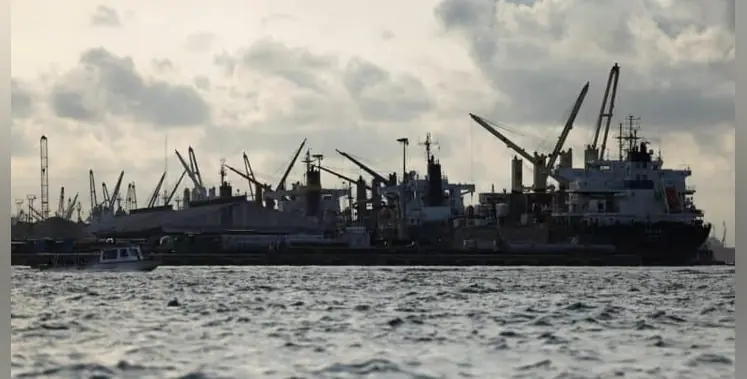
Regional trade desks reported on Wednesday that sellers of sweet and heavy West African grades are finding it difficult to clear their export programmes.